
Understanding Cash Offer on House: Fast Sale Benefits
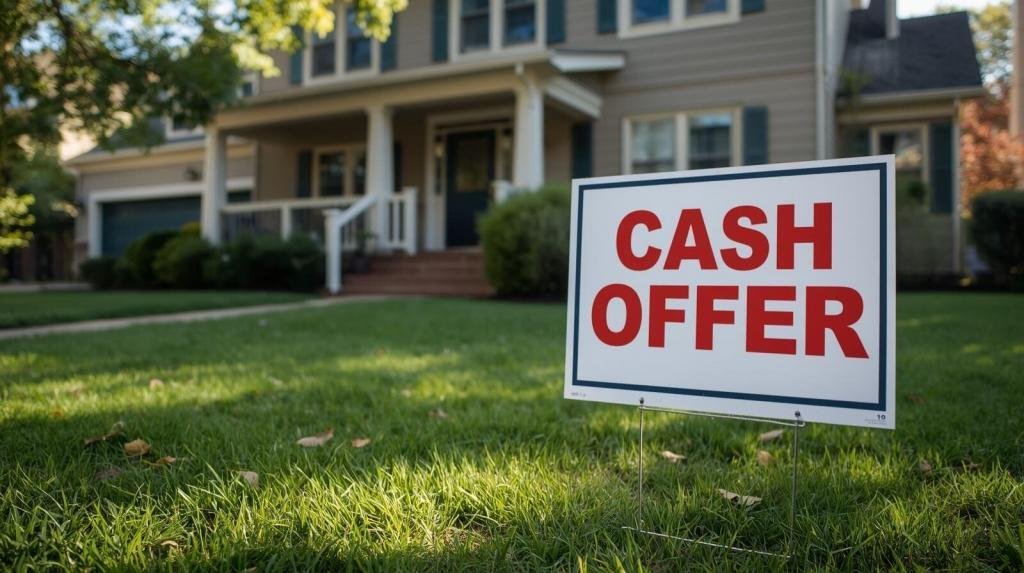
You rarely see a briefcase full of bills in a modern real estate transaction, despite what movies suggest. Instead, a cash offer on a house simply means the buyer has liquid funds ready to be transferred electronically, as verified by a “proof of funds” letter.
This document acts as a financial passport, proving to the seller that the buyer can cross the finish line without waiting for a lender’s permission.
Sellers often prioritize this approach because it eliminates the anxiety of a bank’s timeline. While a traditional buyer must wait weeks for underwriting and appraisals, a real estate transaction without mortgage contingencies significantly lowers the risk of the deal falling through.
Grasping exactly what a cash offer on a house means helps you navigate the critical balance between speed, certainty, and the final price.
Why Sellers Say Yes: The Power of Closing Speed and Certainty
Accepting a traditional offer often feels like holding your breath for a month while you wait for a bank’s permission to close.
You are stuck wondering whether the buyer’s financing will fall through or whether an appraisal gap will occur, in which the bank values the home for less than the agreed-upon price.
A quick cash offer eliminates these financing contingencies entirely. The seller gains immediate certainty because there is no third-party lender who can deny the funds or pull the plug at the last minute.
Lenders are also notoriously picky about a property’s physical condition.
Banks frequently refuse to finalize a loan until specific repairs, like fixing a roof or updating electrical panels, are completed to their standards.
In contrast, selling property as-is for cash means the buyer accepts the home exactly as it stands today. This allows the seller to bypass the stress of managing contractors and the expense of mandatory pre-listing renovations.
Time remains the most tangible advantage in these transactions. Without the bureaucratic layers of corporate underwriting and loan approval, the fast home sale timeline shrinks dramatically. The benefits of an all-cash purchase are clearest when looking at the calendar:
- Traditional Mortgage: 30–60 days (Includes inspection, appraisal, and loan underwriting).
- Cash Sale: 7–14 days (Primarily involves title search and closing).
However, moving this quickly requires more than just a handshake; you need the right documentation to back it up.
The Financial Passport: Verifying Funds and Making Your Move
Making a cash offer on a house requires credibility, not just intent. Just as a traveler needs a passport to cross a border, a cash buyer needs a letter of proof of funds to cross the threshold into a serious negotiation.
This document serves as official verification from a financial institution showing that liquid assets, money that can be accessed immediately, are available to cover the full purchase price.
Sellers will rarely accept screenshots of investment portfolios or retirement accounts, such as 401(k)s, because converting those assets often takes time or incurs penalties.
The money must be ready to move as soon as the title work is clear, proving to the seller that the transaction won’t stall due to liquidity issues.
For buyers who lack hundreds of thousands in savings but still want the competitive edge of an all-cash bid, modern cash offer financing companies provide a powerful alternative.
These services purchase the home on your behalf using their capital, essentially turning you into a cash buyer instantly, and then sell the home back to you once your traditional mortgage is finalized.
Utilizing a cash offer program allows regular homebuyers to bypass financing contingencies and close quickly, leveling the playing field against investors.
While this strategy offers significant leverage in a hot market, it is vital to understand the costs involved before deciding if the speed is worth the price.
The Price of Speed: Calculating Net Proceeds and Avoiding Scams
While cash offers provide certainty, they often come with a distinct price tag. Investors and serious cash buyers typically expect a “cash discount” ranging from 5% to 10% below market value in exchange for a guaranteed, fast closing. However, looking solely at the sticker price is misleading.
You must calculate the net proceeds from a cash sale, the money actually left in your pocket after expenses.
A traditional mortgage offer might look higher on paper, but once you factor in holding costs (mortgage payments, taxes, and utilities) while waiting 45 days for a bank to close, plus potential repair requests from inspections, that “lower” cash offer might actually yield a competitive financial result.
Because the promise of “fast cash” is so appealing, the market is unfortunately rife with predatory operators. Common scams in cash home buying often involve buyers who try to drastically renegotiate the price days before closing or claim to have sent funds that never arrive.

To protect your asset, you must know how to verify cash home buyers before signing a contract. Use this checklist to validate a buyer’s legitimacy:
- Check the reputation: Look for Better Business Bureau (BBB) accreditation and independent online reviews.
- Verify local presence: Ensure they have a physical local office address, not just a P.O. Box or generic website.
- Request proof of history: Ask for settlement statements from recent local closings to prove they actually complete transactions.
Ultimately, the choice depends on your specific timeline and risk tolerance. A cash vs mortgage offer comparison isn’t just about the highest number; it is about weighing the risk of a deal falling through against the convenience of a quick exit.
If the buyer checks out and the math makes sense, you can move forward with confidence. Once you accept the bid, the process shifts immediately from negotiation to execution, leading directly into the unique documentation required to finalize the transfer.
The Paperwork Reality: Closing Costs and Final Steps
Even though a real estate transaction without a mortgage eliminates the lender, it should never eliminate legal protections. You still need a professional title search to ensure the property is free of old liens or legal claims that could become your financial burden later.
To manage this safely, the process relies on specific escrow deposit requirements, in which a neutral third party holds the funds until the deed is officially recorded.
This acts as a financial referee, ensuring that neither the buyer nor the seller can walk away with the money or the house before the deal is legally final.
Financial efficiency is a major benefit here, but it does not mean the process is free. Closing costs for cash real estate transactions still include government transfer taxes, recording fees, and essential title insurance policies.
While you can often safely skip the appraisal since no bank needs to approve the purchase price, you should rarely waive the home inspection. Doing so removes your only safety net against inheriting costly structural damage or hidden repairs that a quick walk-through might miss.

Your Cash Offer Action Plan: Is the ‘Fast Pass’ Right for You?
You no longer need to view quick cash buyers with suspicion or confusion. Now that you understand the mechanics, you can verify their Proof of Funds and calculate if the trade-off—speed for price—actually serves your needs.
Whether you need to sell your home as-is for cash to resolve a difficult life event or simply want to skip the inspection headaches, the key is to verify the buyer’s liquidity before you ever sign a contract.
Think of this transaction not just as a sale, but as buying certainty in an unpredictable market. Getting quick cash for house deals is ultimately about prioritizing your timeline over the highest possible sticker price.
You now have the clarity to determine if the “fast pass” is worth the cost, ensuring you walk away from the closing table feeling relieved rather than shortchanged.