
Top Tips for Listing Your Home Successfully
Selling your home can be both exciting and daunting. It’s a significant step that requires careful planning.
To ensure a successful sale, preparation is key. From decluttering to setting the right price, every detail matters.
Understanding the home selling process can make a big difference. It helps you avoid common pitfalls and maximize your home’s value.
This guide will provide essential tips for listing your home effectively. You’ll learn how to attract buyers and get top dollar for your property.
Whether you’re a first-time seller or a seasoned homeowner, these strategies will help. Get ready to put your house on the market with confidence.
Let’s dive into the steps to prepare your home for a successful sale.
Understanding the Home Selling Process
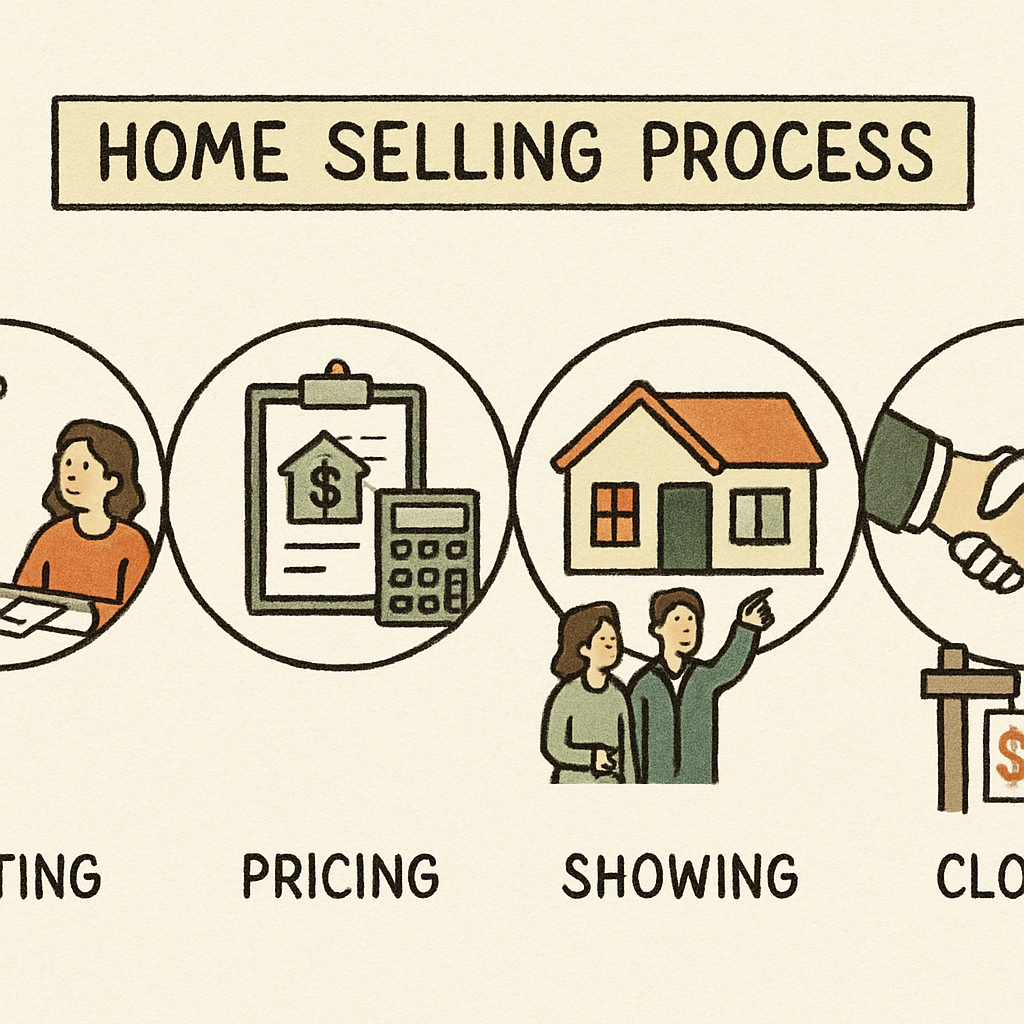
The home selling process involves several key stages. Each step plays a crucial role in achieving a successful sale. Knowing these stages helps you stay organized and informed.
First, assess your home’s value based on market trends. Research comparable sales in your area to set a realistic price. This initial step is crucial for attracting potential buyers.
Once the price is set, it’s time to prepare your home. This includes making necessary repairs, enhancing curb appeal, and staging your interior. These efforts can significantly increase buyer interest.
Throughout the process, having a professional real estate agent can provide guidance and insight. An agent helps with listing strategies, marketing, and negotiations. They can make the selling journey smoother and more effective.
Here’s a quick overview of the home selling steps:
- Assess your home’s market value
- Prepare your home for listing
- Market your home effectively
- Navigate offers and negotiations
Preparing to Sell Your Home: First Steps
The initial steps to prepare for a home sale set the groundwork for success. Begin by evaluating your financial situation. Knowing your mortgage payoff and potential closing costs will help you plan better.
Next, gather all necessary documents. These include titles, warranties, and any property disclosures. Organizing these documents early can prevent last-minute scrambles.
Understanding your local real estate market is crucial. Investigate recent sales and current listings in your neighborhood. This knowledge will inform your pricing and selling strategy.
Consider hiring a real estate professional at this stage. A skilled agent offers market insights, supports your pricing decisions, and manages negotiations. Their expertise can guide you through tricky processes.
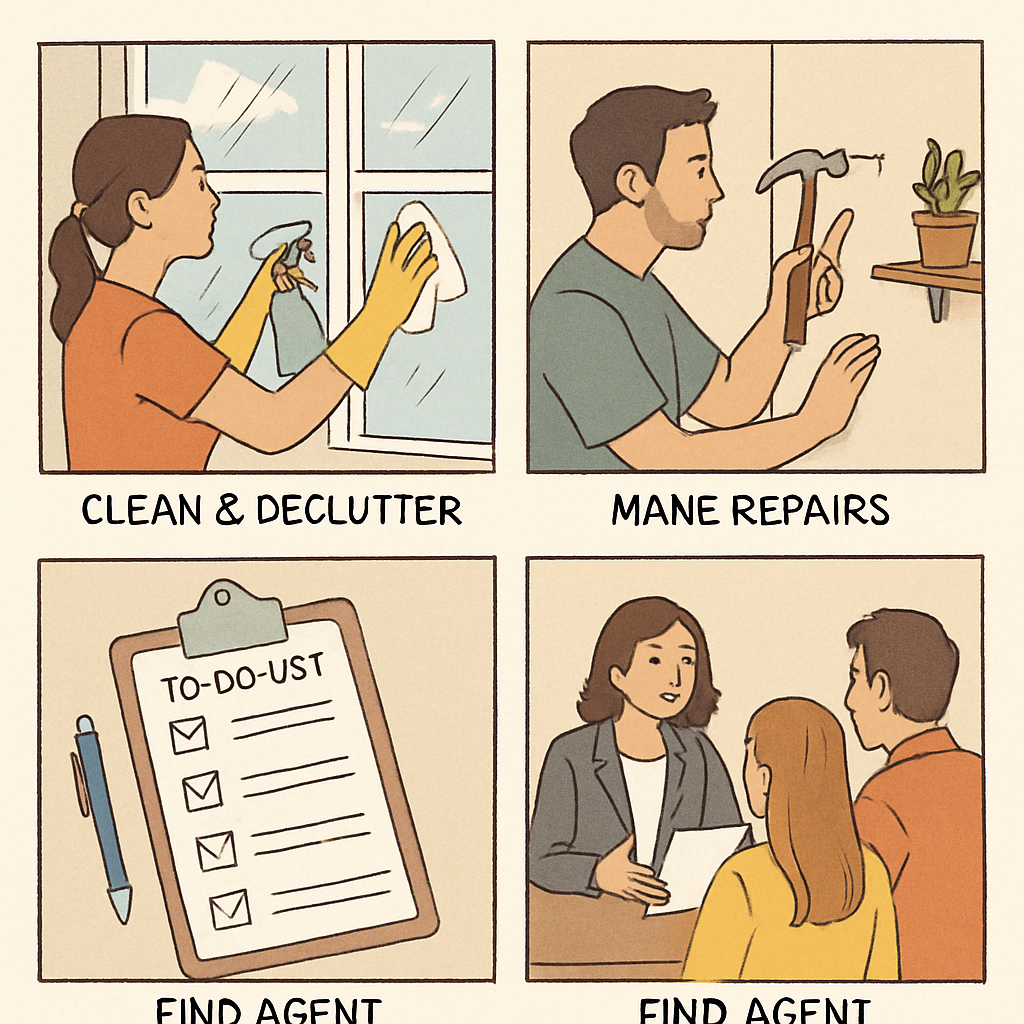
Create a checklist to keep track of your tasks. This approach helps ensure no detail is overlooked. A well-organized plan accelerates preparation and boosts confidence.
Key first steps include:
- Evaluate financial readiness
- Organize necessary documents
- Research the local real estate market
- Consider hiring a real estate agent
- Create a detailed preparation checklist
Decluttering, Depersonalizing, and Deep Cleaning
Decluttering your home creates an inviting atmosphere for buyers. Start by removing unnecessary items from each room. This will help make spaces appear larger and more organized.
Depersonalizing is equally important. Remove family photos and personal mementos. This allows potential buyers to envision themselves living in the space, which can significantly influence their decision-making.
Deep cleaning the house is essential. Scrub every corner from top to bottom, ensuring each room sparkles. A clean home makes a positive first impression and suggests the property has been well-maintained.
Organize closets and storage spaces meticulously. Buyers will look in these areas, seeking ample storage space for their belongings. Organized storage can be a significant selling point.
Consider hiring professional cleaners if necessary. They can handle tasks that may be too daunting or time-consuming. Professional services can ensure a thorough job is done efficiently.
Important decluttering steps include:
- Remove unnecessary items
- Depersonalize living spaces
- Conduct a thorough deep cleaning
- Organize storage areas
- Consider professional cleaning assistance

by Kate Darmody
Repairs, Maintenance, and Minor Upgrades
Before listing, handle any necessary repairs. Address visible issues like leaky faucets or cracked tiles. Even small defects can deter potential buyers.
Regular maintenance is critical to show your home is in top shape. Ensure HVAC, plumbing, and electrical systems are functioning properly. Buyers appreciate a well-maintained home.
Consider minor upgrades that offer a good return on investment. Updating light fixtures or painting walls in neutral colors can make the home more appealing. These small changes can have a big impact.
Prioritize repairs and upgrades based on potential buyer concerns. Addressing common deal-breakers can enhance your home’s value. This proactive approach helps avoid renegotiations later.
Hire professionals for complex tasks when needed. Quality workmanship can prevent future issues. Ensure all improvements enhance the overall look and condition of the home.
Prioritize repairs and upgrades by:
- Fixing visible issues
- Maintaining important systems
- Updating lighting and fixtures
- Painting in neutral tones
- Hiring skilled professionals
Boosting Curb Appeal and First Impressions
First impressions are critical. A well-maintained exterior can attract more potential buyers. It’s essential to invest time in boosting your home’s curb appeal.
Start with the lawn and garden. Keep the grass trimmed and hedges neat. Consider planting colorful flowers to add vibrancy and charm to the entrance.
Clean the home’s exterior, including walls and windows. Pressure-wash the driveway and paths for a polished look. A tidy exterior suggests care and maintenance.
Adding welcoming touches, like a new mailbox or potted plants, can enhance appeal. Ensure the front door is clean and painted; it is the focal point of your entry. A welcoming atmosphere can draw buyers in.
Consider the following to improve curb appeal:
- Maintain the lawn and garden
- Clean walls and driveways
- Add decorative elements
- Update the front door
by MIROV
Staging Your Home for Maximum Impact
Staging transforms your home into a buyer’s dream. Showcase your home’s best features and help buyers envision their life there. A well-staged home can lead to quicker sales.
Start with furniture arrangement. Ensure rooms are open and inviting. Highlight spaciousness by removing unnecessary furniture. Define each space with purpose and functionality in mind.
Use neutral colors and decor. Appeal to a broad audience by avoiding bold styles. Subtle tones offer a warm, welcoming atmosphere.
Attention to detail enhances staging. Fresh flowers, strategic lighting, and soft music can enrich the experience. The goal is to evoke a feeling of coziness and comfort.
Consider these tips for effective staging:
- Arrange furniture for openness
- Use neutral colors and decor
- Pay attention to small details
- Define each room’s purpose
by Albero Furniture Bratislava
Setting the Right Price: Market Research and Strategy
Pricing your home correctly is critical for attracting buyers. Research the market to understand current trends. Comparable sales in your area can provide a baseline.
Start with an assessment of neighborhood sales. Look at homes similar to yours that have recently sold. The sale price of these homes sets a guideline for your pricing strategy.
Avoid overpricing or underpricing. A competitive price attracts more buyers. Pricing too high can deter interest, while pricing too low may undervalue your home.
Consult with a real estate agent to help set an optimal price. They bring expertise and insights into local market dynamics. Agents use data to recommend a price that balances visibility and value.
Consider these pricing tips:
- Review recent neighborhood sales
- Avoid overpricing or underpricing
- Consult with an expert agent
- Use market data for pricing
by Jakub Żerdzicki
Professional Photography and Virtual Tours
High-quality photos are essential to make your home shine online. Poor images can diminish interest and lead to fewer showings. Investing in professional photography is a wise decision for any seller.
Virtual tours offer a dynamic way for buyers to explore your home. These tours let potential buyers view your property at their leisure, generating more interest. Incorporate both photos and tours to showcase every part of your home beautifully.
Consider these points when organizing your visual presentation:
- Hire a professional photographer
- Create an engaging virtual tour
- Highlight key features and spaces
These steps can make your listing more compelling, drawing in more potential buyers.
by Artem Artemov
Effective Marketing and Listing Techniques
Marketing your home effectively is critical to attracting serious buyers. Utilizing multiple platforms ensures you reach a broader audience. Well-crafted listings should speak directly to potential buyers’ desires and needs.
Leverage online real estate sites to display your home prominently. Additionally, share your listing on social media channels to expand its reach. Platforms like Facebook and Instagram can be useful in targeting specific demographics.
Consider traditional methods that still hold value. Print ads in local newspapers and professional signage in your yard can capture attention. Employ a mix of modern and classic approaches to cover all bases.
Enhance your marketing strategy with these techniques:
- List on popular real estate websites
- Utilize social media for a broader reach
- Place professional signage in the front yard
A comprehensive marketing plan maximizes exposure, increasing the likelihood of a successful sale.
by Annie Spratt
Showings, Open Houses, and Buyer Communication
Showings and open houses provide potential buyers with the chance to experience your home. Being flexible with scheduling these events can make a huge difference. Accommodating different times helps attract more visitors.
It’s essential to create a welcoming atmosphere during showings. Ensure your home is clean and well-organized. This positive experience will leave a lasting impression on potential buyers.
Effective communication is key to maintaining buyer interest. Respond promptly to inquiries to show you’re serious about selling. Keep lines of communication open to build trust with interested parties.
Consider the following tips for successful showings and open houses:
- Be flexible with your scheduling
- Maintain a clean and inviting space
- Respond quickly to potential buyers
By following these strategies, you can foster genuine interest and increase your chances of a successful sale.
by Asso Myron
Navigating Offers, Negotiations, and Closing
Once an offer is made, it’s crucial to review all terms carefully. Don’t just focus on the price. Consider contingencies, closing timelines, and other contract details.
Negotiating can be daunting, but preparation helps. Know your bottom line and be open to compromise. A skilled real estate agent can provide valuable guidance during this phase.
During negotiations, maintain a professional and cooperative demeanor. Communication is key to reaching a mutual agreement. This approach enhances the possibility of a successful negotiation.
Closing the deal involves several steps, including inspections, appraisals, and final paperwork. Ensure you have all necessary documentation ready. This preparedness can make the process smoother and quicker.
Key steps in finalizing the sale include:
- Reviewing the offer thoroughly
- Negotiating terms thoughtfully
- Ensuring all paperwork is in order
Navigating this final stage with diligence and care ensures a successful sale.
by Amina Atar
Common Mistakes to Avoid When Listing Your Home
Avoiding common pitfalls can make a huge difference. One frequent mistake is setting an unrealistic price. Overpricing can deter potential buyers.
Another trap is neglecting the home’s appearance. A poorly maintained property diminishes buyer interest. Ensuring the house is tidy and attractive is crucial.
Lastly, inadequate marketing can limit exposure. Relying solely on a listing without using social media or professional platforms can reduce visibility. Broaden your reach for better results.
Key mistakes include:
- Setting a price that is too high
- Neglecting the home’s presentation
- Limiting marketing efforts
Being aware of these errors will enhance your selling process and opportunities.
Final Checklist: Getting Ready to Put Your House on the Market
Before placing your home on the market, ensure everything is in order. This final checklist will guide you. Staying organized is key to a smooth process.
Begin by verifying that all repairs are complete. Next, ensure the home is clean and clutter-free. A spotless presentation attracts serious buyers.
Gather all necessary documents for potential buyers. Be ready to address any inquiries they may have. Efficiency and organization make a great impression.
Final Checklist
- Ensure all repairs and upgrades are completed
- Deep clean the home and declutter spaces
- Compile all important documents
- Verify marketing materials and online listings are accurate
by Salman Saqib
By following this checklist, you’ll confidently place your house on the market. Success awaits with preparation and attention to detail.
Conclusion: Selling Your Home with Confidence
Selling your home is both exciting and challenging. With the right preparation and knowledge, you can face the process with confidence. By focusing on key steps such as decluttering, setting the right price, and effective marketing, your home will stand out.
Remember, patience and attention to detail are crucial. Trust in your preparation and strategy, and soon you’ll successfully close the sale. Embrace this journey and the new beginnings it brings.