
How to sell a fixer upper house fast
Selling a fixer-upper house fast can be a daunting task. Many homeowners face challenges when trying to sell a property that needs work. However, with the right strategies, you can attract buyers quickly.
Understanding the market and setting the right price are crucial steps. Highlighting the potential of your home can make a significant difference.
This guide will provide you with practical tips to sell your fixer-upper efficiently. From marketing strategies to working with real estate professionals, we cover it all.
Whether you’re a homeowner or an investor, these insights will help you navigate the selling process. Let’s dive into the steps to sell your fixer-upper house fast.
Understanding the Fixer Upper Market
Understanding the real estate market is key when selling a fixer-upper. Markets fluctuate, affecting buyers’ preferences and prices. Knowing the local scene allows you to price your property correctly.
Every market is unique, with different buyers looking for specific opportunities. Some may seek investment properties, while others want renovation projects. Identifying these trends helps in targeting the right audience.
Research is fundamental for real estate success. Study comparable sales and current listings in your area. This insight will guide you in positioning your property favorably against the competition.
Here are some elements to focus on:
- Local market trends and demand
- Types of buyers interested in fixer-uppers
- Competitive pricing strategies
These factors play a significant role in selling your fixer-upper. They affect how quickly and efficiently you can finalize a deal. Knowing your market thoroughly empowers you to make informed decisions.

Pricing Your Fixer Upper to Sell Fast
Setting the right price is crucial for a quick sale. Underpricing means you lose potential profits, while overpricing scares off buyers. Finding the sweet spot attracts attention and encourages offers.
Begin by examining the sales of similar fixer-uppers in the area. This provides a realistic benchmark for your pricing. Consider aspects like location, size, and condition when comparing these properties.
It’s essential to present your fixer-upper as a valuable opportunity. Highlight its potential to justify your asking price. Remember, some buyers prefer properties they can renovate to their taste.
Here are the steps to guide your pricing strategy:
- Analyze comparable property sales
- Consider the property location and unique features
- Emphasize renovation potential in marketing
Pricing properly takes preparation and insight. It aligns buyer expectations and sets the stage for productive negotiations. A strategic price paves the way for a faster sale.
Deciding Between Repairs or Selling As-Is
One of the first decisions is whether to make repairs or sell as-is. Fixing your house can increase its value and appeal. However, repairs take time and money.
Consider the condition of your fixer-upper. Minor fixes and cosmetic changes often lead to a quicker sale. A fresh coat of paint or new fixtures can make a big difference.
Evaluate the cost of repairs versus potential returns. If repair costs exceed the increase in the sale price, consider selling as-is. Some buyers prefer homes that they can update themselves.
Here’s a quick guide to help decide:
- Assess necessary repairs
- Estimate costs versus the potential sale price increase
- Consider buyer preferences for DIY projects
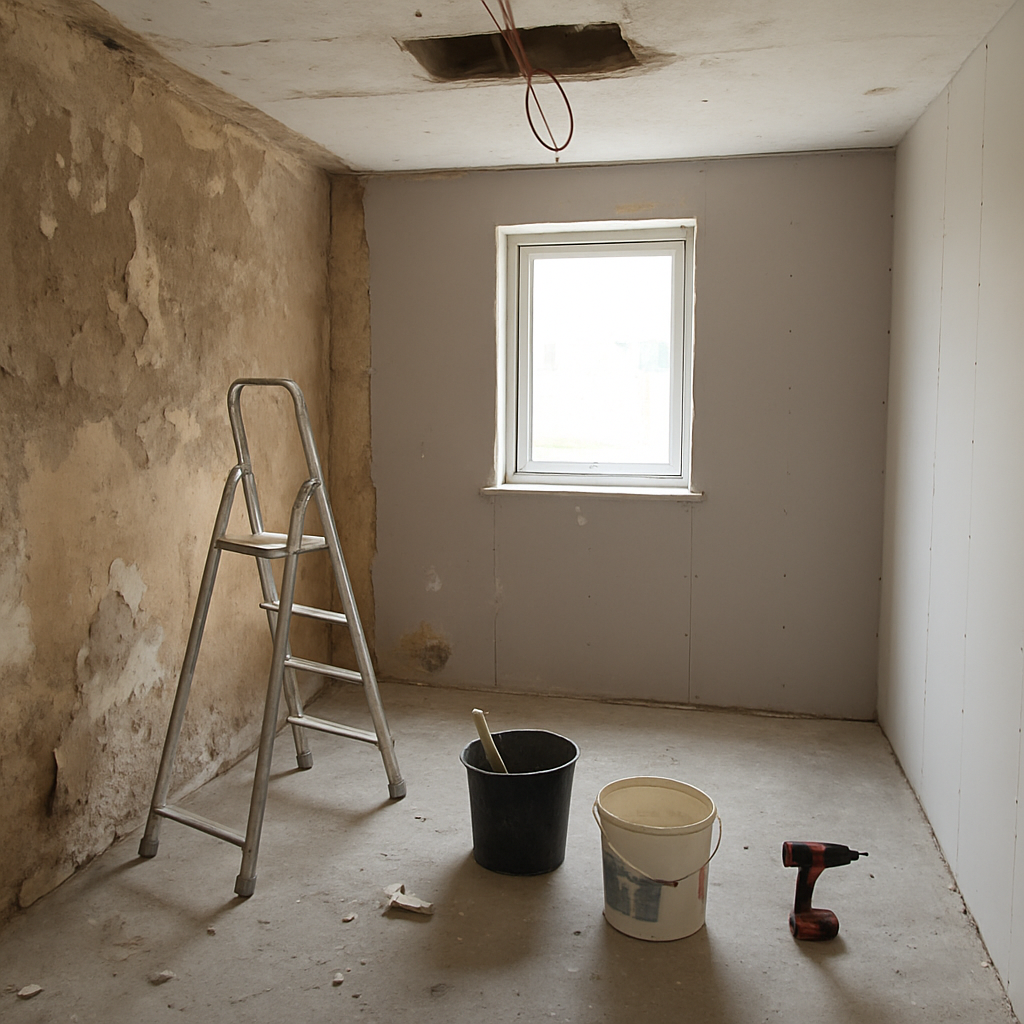
Selling as-is may save on upfront costs. It attracts buyers ready for a project or those seeking investment opportunities. Choose based on your budget, timeline, and market demand.
Highlighting the Potential: Marketing Strategies That Work
When selling a fixer-upper, showcasing its potential is key. Buyers want to envision what the house could become. Highlight the unique aspects of your property.
Consider using high-quality visuals. Pictures and videos can capture architectural details and the property’s charm. A video tour gives online viewers a clear sense of the layout.
Emphasizing location and community amenities can attract buyers. Proximity to schools and parks often adds appeal. Detail any upcoming neighborhood improvements or developments.
Use descriptive language in your listing to paint a vivid picture. Stories about the home’s history and character can create an emotional connection. Be sure to stress the potential for customization.
Here are key elements to feature in your listings:
- Distinct architectural features
- Noteworthy historical elements
- Proximity to amenities
And to effectively reach potential buyers:
- Use various online platforms and social media
- Consider paid ads to broaden your reach
- Host virtual tours for remote interest

by Jakub Żerdzicki
Creative marketing strategies can help sell a fixer-upper swiftly and at a good price. Tailor your approach to appeal to buyers’ interests and imagination.
Creating an Irresistible Listing
Crafting a compelling listing is crucial for attracting buyers. Start with an engaging headline that highlights the property’s best feature. Use language that sparks curiosity and excitement about the home’s potential.
Write a clear, concise description that highlights the home’s strengths. Address its fixer-upper status positively by highlighting opportunities for personalization. Describe key spaces like the kitchen, living area, or unique architectural details.
Incorporate keywords seamlessly to improve online visibility. This will help your listing stand out in a crowded market. Don’t forget to detail practical elements that buyers look for.
Essential aspects to include in your listing:
- Estimated renovation costs
- Neighborhood amenities
- Recent upgrades or repairs
Enhance your listing with professional photos and videos. Visuals help buyers imagine themselves in the space. Consider including a floor plan to give more context.
by Tazz Anderson
An irresistible listing captures interest immediately, inviting potential buyers to learn more about the property.
Attracting the Right Buyers: Investors, Flippers, and More
Selling a fixer-upper involves identifying the most suitable buyer types. Investors and flippers are often interested in properties that need work. They seek opportunities to add value through renovations for eventual resale or rental income.
To attract these buyers, emphasize the property’s investment potential. Highlight aspects such as location, lot size, and the potential for profit after renovation. Providing details about nearby infrastructure improvements can also be a selling point.
Engaging with buyer groups requires a strategic approach. Consider marketing through specific channels such as real estate investment clubs or online forums. These platforms attract buyers specifically searching for fixer-upper opportunities.
Key strategies to engage investors and flippers:
- Present the financial benefits of the neighborhood
- Offer renovation suggestions
- Highlight past successful investments in the area
Understanding the priorities of these buyers can lead to faster and more profitable sales. Tailor your marketing efforts to speak directly to their needs and goals.
Working With Real Estate Professionals
Collaborating with real estate professionals can expedite the sale of a fixer-upper. An experienced agent knows the market and can provide valuable insights. They help price your property competitively and identify potential buyers.
When choosing an agent, look for expertise in selling homes that need work. Agents with experience in fixer-uppers understand how to market them effectively. They can provide guidance on necessary disclosures and legal requirements.
Real estate agents bring resources like professional networks and listing platforms to your sale. This increases the visibility of your property. Additionally, they can facilitate negotiations, helping you get the best possible price.
Consider these benefits of working with a real estate professional:
- Access to market analysis
- Professional marketing tools
- Expertise in negotiations
Partnering with a skilled agent can make the selling process smoother and more efficient. Their expertise and resources are invaluable in reaching the right buyers.
Negotiating and Closing the Deal Quickly
Negotiation is crucial when selling a fixer-upper. Buyers may request price reductions due to repair needs. It’s important to be prepared with a clear understanding of your bottom line. Flexibility can lead to a quicker sale, but always have a negotiation strategy ready.
When buyers raise concerns, address them honestly and provide realistic repair estimates. Transparency builds trust and can smooth over potential roadblocks in negotiations. Highlight any completed minor repairs to strengthen your position.
Closing the deal can be expedited by streamlining the process. Ensure all necessary documentation is ready beforehand. Quickly address any contingencies or buyer requests to maintain momentum.
Here are the steps to facilitate a swift closing:
- Prepare disclosure documents early
- Address buyer concerns promptly
- Pre-arrange for necessary repairs or credits
By managing negotiations tactfully and efficiently, you can close your fixer-upper sale quickly and effectively.
Legal, Financial, and Disclosure Considerations
When selling a fixer-upper, understanding legal requirements is essential. You must disclose all known issues with the property. Transparency protects you from potential legal problems down the road. Be sure to check local regulations regarding property disclosures.
Financial aspects also need careful consideration. Understand tax implications related to selling a fixer-upper. Consulting with a tax advisor can prevent surprises and help optimize your financial outcomes.
Buyers need detailed documentation for informed decisions. Prepare permits, inspection reports, and any renovation records in advance. This documentation not only builds trust but also expedites the closing process. Key documents to have ready include:
- Property disclosure statements
- Recent inspection reports
- Documentation of any renovations
By addressing these considerations thoroughly, you ensure a smoother selling process.
Final Tips for Selling a Fixer Upper House Fast
Patience is key when selling a fixer-upper. It might take longer to sell compared to move-in-ready homes. Staying persistent and proactive can make a significant difference.
Marketing effectively is crucial. Use various channels, such as online listings, social media, and word-of-mouth, to reach a wider audience. Creating engaging content about the property can attract more potential buyers.
Preparation pays off. Ensure the property is clean and presentable. Highlight unique features and investment potential in your listing. Consider offering incentives such as covering closing costs to sweeten the deal.
In summary, keep these tips in mind:
- Be patient and persistent
- Leverage multiple marketing channels
- Present the property at its best
These strategies will help you sell your fixer-upper house swiftly and efficiently.