
A house fire is one of the most devastating events a homeowner can experience. In a matter of hours, a property that represents years of hard work, financial investment, and personal memories can be reduced to charred walls, smoke-stained ceilings, and structural damage that feels insurmountable.
The physical destruction is overwhelming enough, but the financial and logistical questions that follow a fire can feel just as crushing.
What do you do with a property that has been severely damaged? Can you even sell it? And if you can, how do you navigate a process that most homeowners have never faced before and never expected to face? These are the questions that thousands of Indiana homeowners grapple with every year in the aftermath of a residential fire.
The answer to all of them begins with one reassuring truth: selling a fire-damaged home in Indiana is not only possible, but it is also more straightforward than most people expect when you understand your options and work with the right buyers.
This guide is designed to give you that understanding, from the first steps after a fire all the way through to a successful, stress-free closing.
Understanding the Full Scope of Fire Damage
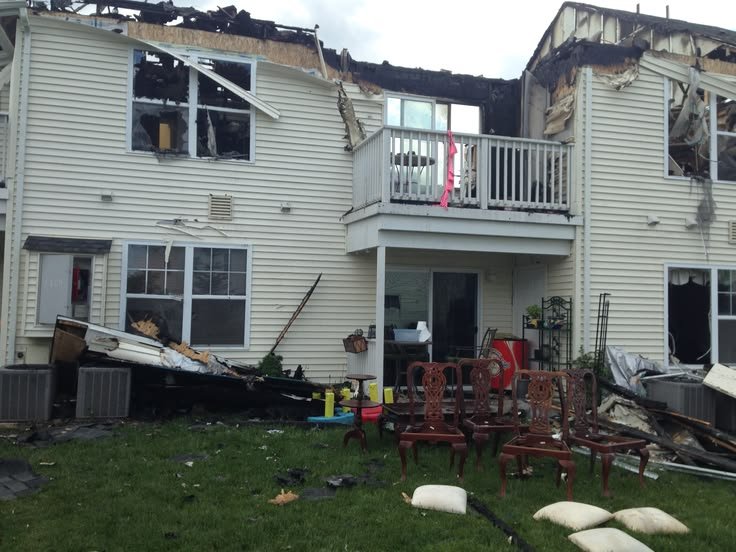
Fire damage rarely limits itself to the areas where the flames were most visible. While the immediate burn zone is the most obvious area of destruction, fire events typically produce three distinct categories of damage that together define the true scope of what a property has experienced.
The first category is direct fire damage, which includes charred structural elements, burned flooring, destroyed fixtures, and compromised framing or load-bearing components in the areas where the fire burned most intensely.
The second category is smoke and soot damage, which can penetrate deeply into walls, ceilings, insulation, and HVAC systems throughout the entire property, not just the area directly affected by flames.
The third category is water damage, caused by firefighting efforts, which can saturate flooring, drywall, and structural components and create conditions favorable to mold growth within 24 to 48 hours of the event.
Understanding all three categories is important before you make any decisions about selling, because the overall scope of damage directly affects the property’s value, your repair cost estimates, and the offers you receive from buyers.
A thorough assessment from a licensed contractor or structural engineer gives you the factual foundation you need to make smart decisions about your next steps.
Your First Steps After a House Fire in Indiana
Before any conversation about selling can meaningfully begin, there are several immediate steps that Indiana homeowners should take in the days following a fire. These steps protect your legal rights, preserve your financial options, and establish the documentation trail that will be essential throughout any sale process.
First, contact your homeowner’s insurance company as quickly as possible to report the fire and begin the claims process.
Your insurance policy may cover temporary housing, contents replacement, and a portion of the repair costs, and understanding the scope of your coverage gives you a clearer picture of your financial position before you decide whether to repair or sell.
Second, secure the property against unauthorized entry by boarding up windows and doors and posting appropriate signage, as Indiana law holds property owners liable for injuries that occur on their property even in its damaged state.
Third, document everything thoroughly with photographs and video before any cleanup or debris removal begins, as this documentation supports both your insurance claim and any future sale disclosures.
The Repair-and-Relist Route: Is It Worth It?
Once the immediate aftermath is managed, homeowners face the central question: should they invest in repairing the fire-damaged property and sell it through a traditional listing, or should they pursue a sale of the property in its current condition?
The answer depends on several factors, including the severity of the damage, your available financial resources, your timeline, and your appetite for managing a complex renovation project.
For properties with moderate damage, where the structural integrity is intact and the repair scope is manageable, a full renovation and traditional listing can yield a higher final sale price.
However, fire restoration in Indiana is rarely inexpensive, with comprehensive repairs for a severely damaged home often running into hundreds of thousands of dollars, a figure that can easily consume or exceed the homeowner’s equity in the property before the fire.
There is also the time dimension to consider. A full fire restoration project can take six months to over a year to complete, during which the homeowner continues paying property taxes, insurance, and potentially mortgage payments on a property they cannot occupy or use.
For many Indiana homeowners, the carrying costs and complexity of a full restoration make an as-is sale the far more practical and financially sensible choice.
What Does Selling As-Is After a Fire Actually Mean?
When real estate professionals talk about a house sold as-is, they mean selling the property in its current condition without making repairs, improvements, or cosmetic updates before closing.
To sell a house as-is after a fire in Indiana means presenting the property exactly as the fire left it, with full disclosure of the known damage, and allowing the buyer to factor in the repair costs when making their offer price.
An as-is sale does not mean selling without disclosure. Indiana law requires sellers to disclose known material defects, and fire damage unquestionably qualifies as a material defect that must be transparently communicated to any prospective buyer.
Working with a real estate attorney ensures your disclosures are legally complete and protects you from post-sale liability claims.
What an as-is sale does mean is that you are not responsible for funding or managing the restoration process before the transaction closes. The buyer takes on that responsibility post-purchase, which is factored into the price they offer.
For a seller who is emotionally exhausted, financially strained, or simply unwilling to manage a lengthy restoration project, this is a genuinely liberating arrangement.
Why Cash Buyers Are the Ideal Solution for Fire-Damaged Properties
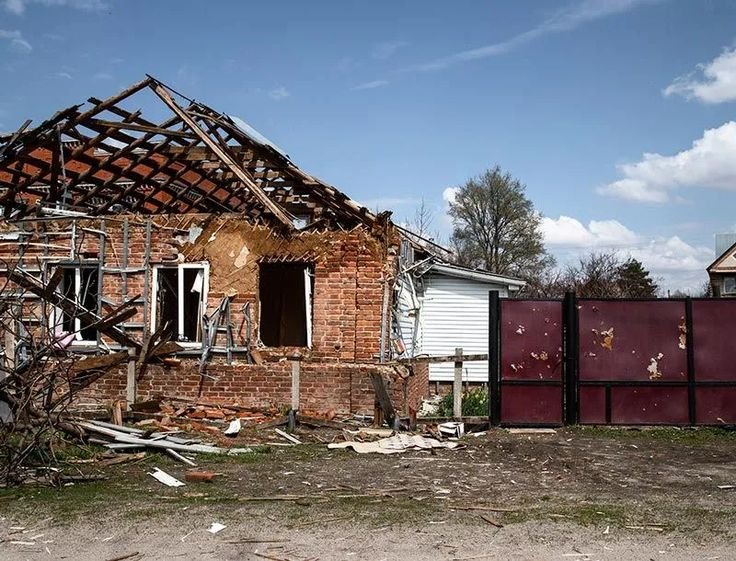
Traditional homebuyers using conventional mortgage financing are largely unable to purchase severely fire-damaged properties.
Most lenders will not approve a mortgage on an uninhabitable or structurally compromised home, which means the pool of buyers who can realistically purchase a fire-damaged property through standard channels is extremely limited.
Cash buyers for fire-damaged homes operate entirely outside of this constraint. Because they use their own funds rather than borrowed money, they are not subject to lender appraisal requirements, habitability standards, or financing contingencies that would prevent a traditional sale from proceeding.
They can purchase a fire-damaged property in any condition, at any stage of the damage, and close on a timeline that works for the seller.
Fire-damaged house buyers, Indiana investors are also experienced in exactly these situations. They have the contractor relationships, renovation expertise, and financial resources to take on a fire-damaged property and transform it into a habitable, marketable home, which is precisely why they are willing to make offers that traditional buyers and their lenders simply cannot.
How the Cash Offer Process Works
The process of receiving a cash offer for a fire-damaged home from Indiana investors is simpler and faster than most homeowners expect.
It typically begins with a brief property assessment, either in person or through photographs and documentation, during which the investor evaluates the scope of damage, the property’s location and pre-fire value, and their estimated cost to restore it.
Based on that assessment, the investor calculates an offer price that reflects the property’s current as-is value and accounts for both the pre-fire market value of the home and the cost of repairs they will need to fund post-purchase.
This offer is typically presented in writing within 24 to 48 hours of the initial assessment, with no obligation for the seller to accept.
If the offer is accepted, the closing process moves quickly. Without mortgage financing to arrange, bank appraisals to schedule, or repair contingencies to negotiate, cash transactions on fire-damaged Indiana properties can often close in as little as one to three weeks, giving the seller rapid access to their proceeds and a clean, definitive end to a stressful situation.
How Cash Offers Are Calculated on Fire-Damaged Homes
Understanding how cash buyers calculate their offers helps sellers evaluate whether an offer is fair and set realistic expectations for the proceeds they can expect.
Damaged-property buyers in Indiana work from a straightforward formula: the estimated after-repair value of the property minus the cost of repairs, minus the investor’s profit margin, minus transaction costs equals the offer price presented to the seller.
This means that two different properties with the same level of fire damage can receive very different cash offers depending on their location, their pre-fire market value, and the cost of labor and materials in their specific area of Indiana.
A fire-damaged home in a high-value neighborhood in Carmel or Fishers will generally receive a stronger offer than an equally damaged property in a lower-value market, because the after-repair value that drives the investor’s calculation is significantly higher.
Knowing your property’s pre-fire market value before you begin soliciting cash offers gives you an important reference point for evaluating the offers you receive. A free comparative market analysis from a local real estate agent or a review of recent comparable sales in your neighborhood provides this baseline quickly and at no cost to you.
The Importance of Getting Multiple Cash Offers
One of the most financially protective steps any seller can take when pursuing a fast Indiana transaction to sell a fire-damaged house is obtaining competing offers from multiple cash buyers before committing to any single buyer.
This is important because cash-offer calculations vary significantly among investors based on their cost assumptions, renovation expertise, current acquisition pipeline, and target return on investment.
A fire-damaged property that receives a $95,000 offer from one investor might receive a $115,000 offer from another, simply because the second investor has lower renovation cost estimates or higher confidence in the neighborhood’s appreciation potential.
Without competing offers, the seller has no way of knowing which scenario applies to their property and may leave significant money on the table as a result.
Requesting offers from at least three reputable cash buyers or real estate investment companies in Indiana costs nothing, requires minimal time, and can meaningfully improve your final outcome.
Always present competing offers to your preferred buyer before making a final decision, as many investors will improve their initial offer when they know they are in a competitive situation.
Navigating Insurance Proceeds and a Cash Sale Together
Many Indiana homeowners who experience a house fire find themselves managing both an insurance claim and a potential property sale simultaneously, and understanding how these two processes interact is important for making the most financially sound decisions.
Insurance proceeds for structure damage are typically calculated based on either the actual cash value of the damaged components or their replacement cost value, depending on your specific policy terms.
If you accept an insurance settlement and then sell the property as-is to a cash buyer, the buyer will be purchasing a property with repair costs they will bear independently.
In this scenario, it is important to be fully transparent with your insurance adjuster and your buyer about the insurance proceeds you have received and whether any repair work has been initiated with those funds.
Working with a public adjuster, a professional who advocates on your behalf with the insurance company, can help maximize your insurance settlement before you finalize any sale.
Many Indiana homeowners significantly underestimate what their insurance policy entitles them to, and a public adjuster’s expertise often recovers settlement amounts that meaningfully improve the seller’s overall financial position.

Disclosure Obligations for Fire-Damaged Homes in Indiana
Indiana’s residential real estate disclosure laws require sellers to disclose known material defects that would affect a reasonable buyer’s decision to purchase the property or the price they would pay for it.
Fire damage is unambiguously a material defect, and any seller pursuing a sale of a fire-damaged house in Indiana must ensure their disclosures are complete, accurate, and properly documented.
This obligation applies equally to as-is cash sales and traditional listed sales. The as-is nature of the transaction does not relieve the seller of the duty to disclose; it simply means the buyer is accepting the property in its disclosed condition without requiring the seller to make repairs before closing.
Proper disclosure actually protects the seller by establishing a clear, documented understanding of the property’s condition that the buyer has acknowledged and accepted.
Consulting a real estate attorney before finalizing any sale agreement ensures your disclosures meet Indiana’s legal requirements and that your purchase contract contains appropriate as-is language that provides the post-closing protection you need.
This consultation is a small investment that helps prevent potentially significant legal complications down the road.
Finding Reputable Fire-Damaged House Buyers in Indiana
The quality of your experience selling a fire-damaged property depends significantly on the buyer you work with, and not all cash buyers in Indiana operate with the same level of professionalism and integrity.
Homeowners in vulnerable post-fire situations can unfortunately be targeted by opportunistic investors who use high-pressure tactics and artificially low offers to exploit sellers who don’t know their property’s value.
Reputable fire-damaged house buyers Indiana sellers can trust will provide written proof of funds before any agreement is signed, present a clean and straightforward purchase contract without hidden fees or last-minute price reductions at closing, and give the seller adequate time to review all documents with their attorney before committing.
They will also be willing to explain their offer calculation transparently, showing the seller how they arrived at their number.
Referrals from real estate attorneys, estate attorneys, or local real estate agents who regularly work with distressed properties are the most reliable way to identify trustworthy investors in Indiana.
Online reviews, verified testimonials, and a company’s demonstrable track record of closed transactions in Indiana are additional indicators of a buyer you can work with confidently.
The Benefits of a Fast Cash Sale After a Fire
Beyond the financial considerations, there are deeply practical and emotional benefits to completing a fast Indiana transaction to sell a fire-damaged house with a reputable cash buyer.
Carrying a fire-damaged property, even for a few months while pursuing a traditional sale or insurance resolution, means ongoing costs, ongoing stress, and ongoing exposure to liability for a property that is not generating any value for you.
A fast cash closing eliminates all of these ongoing burdens in one transaction. The mortgage obligation is satisfied, the property taxes stop accruing on your behalf, the liability exposure ends, and perhaps most importantly, the emotional weight of owning and managing a damaged property that reminds you of a traumatic event is lifted cleanly and completely.
Many Indiana homeowners who have sold fire-damaged properties to cash buyers describe the closing day as one of the most genuinely relieving days they experienced in the entire aftermath of the fire.
That sense of resolution, of a defined ending to an extremely difficult chapter, has a real and meaningful value that goes beyond the numbers on the settlement statement.
Selling a Fire-Damaged Home With a Mortgage
One concern many Indiana homeowners have when considering selling a fire-damaged home in Indiana is how an outstanding mortgage affects the process.
The straightforward answer is that a mortgage does not prevent a cash sale; it simply means the outstanding mortgage balance must be paid from the sale proceeds at closing, just as in any standard home sale transaction.
If the fire damage has significantly reduced the property’s value to a point where the sale proceeds would not fully cover the outstanding mortgage balance, the situation becomes more complex and may require a short sale, which involves the lender’s approval to accept less than the full balance owed.
This is a scenario where early communication with both your lender and a real estate attorney is essential for understanding your options and avoiding foreclosure.
For the majority of Indiana homeowners with sufficient equity, even after accounting for the reduced value of the fire-damaged property, the cash sale proceeds will cover the mortgage payoff, closing costs, and lien settlements, with net proceeds remaining for the seller.
Your attorney and title company will calculate this figure precisely before closing so there are no surprises on settlement day.
Final Thoughts: Your Path Forward Starts Today
Experiencing a house fire and then deciding what to do with the damaged property is one of the most stressful experiences a homeowner can face.
But it is a situation with real, accessible solutions, and the cash buyer market in Indiana is active, well-funded, and specifically equipped to help homeowners in exactly your position.
Whether you have just experienced a fire and are in the earliest stages of considering your options, or you have been holding a fire-damaged property for months and are finally ready to move forward, you can begin connecting with reputable cash buyers for fire-damaged homes and receive a no-obligation offer today.
It costs nothing to explore, it commits you to nothing, and it gives you the information you need to make the best possible decision for your financial future.
You have been through enough already. Let the right buyer, the right team, and the right process take it from here.