
Accepting a cash offer on your home feels like the finish line, but life does not always follow a script.
Circumstances change, doubts surface, or a better offer arrives after you have already signed the purchase agreement.
When that happens, sellers often ask the same urgent question: Can you back out of a cash home sale in Indiana once the contract is signed?
The honest answer is that it depends on the timing, the contract terms, and whether the buyer has already performed their obligations.
This guide explains your rights and risks at every stage of the process so you can make an informed decision rather than an impulsive one.
Before You Sign: Full Freedom to Walk Away
Prior to signing any purchase agreement, you retain complete freedom to decline any offer without legal consequence.
No verbal agreement, no letter of intent, and no history of negotiations create no binding obligation on the seller in Indiana unless a written, fully executed contract exists.
Even if a buyer has submitted an offer in writing, you are under no obligation to accept it, counter it, or respond to it at all.
This pre-contract period is the safest and cleanest time to change your mind, and it costs you nothing beyond the time the parties have already invested.
If you have not yet signed and feel uncertain about proceeding, the right move is to pause and consult a real estate attorney before putting pen to paper.

After Signing: The Purchase Agreement Changes Everything
The moment both parties sign the Indiana cash home purchase agreement, you are in a legally binding contract with real obligations and real consequences attached.
A signed purchase agreement is not a handshake or a letter of intent; it is an enforceable document that commits you to sell on the terms both parties have agreed to.
Backing out of that agreement without a valid contractual basis exposes you to legal liability, and the buyer has remedies available under Indiana law to respond.
That said, backing out is not always impossible after signing; it simply requires a legitimate reason, mutual agreement, or a specific contractual provision permitting it.
Understanding what those legitimate exits look like is the most important thing a seller can know at this stage.
Contingencies: Your Contractual Exit Ramps
Some purchase agreements, even in cash transactions, include contingencies that give one or both parties the right to exit the contract under specified conditions.
A seller contingency might state that the sale is conditional on the seller successfully closing on a replacement property, or on the resolution of a title issue within a certain timeframe.
If a contingency in your purchase agreement is not met within the specified window, you may have a contractual right to terminate the agreement without penalty.
Review your signed contract carefully with a real estate attorney to identify whether any contingencies exist and whether the conditions that trigger them have been met.
If the contract contains no seller-side contingencies, your options for a clean exit are more limited and will depend on mutual agreement or buyer default.
Mutual Agreement: The Cleanest Exit After Signing
The simplest and least risky way to cancel a cash home sale in Indiana after signing is to negotiate a mutual release with the buyer.
A mutual release is a written agreement signed by both parties that formally terminates the purchase contract and releases each side from its obligations.
It also addresses the disposition of the earnest money, specifying whether it is returned to the buyer, released to the seller, or split between the parties.
Buyers are not required to agree to a mutual release, and many will decline if they have already invested time and money in the transaction.
However, if you can explain your circumstances honestly and offer reasonable terms, a cooperative buyer may be willing to release you from the contract rather than pursue a contentious legal dispute.
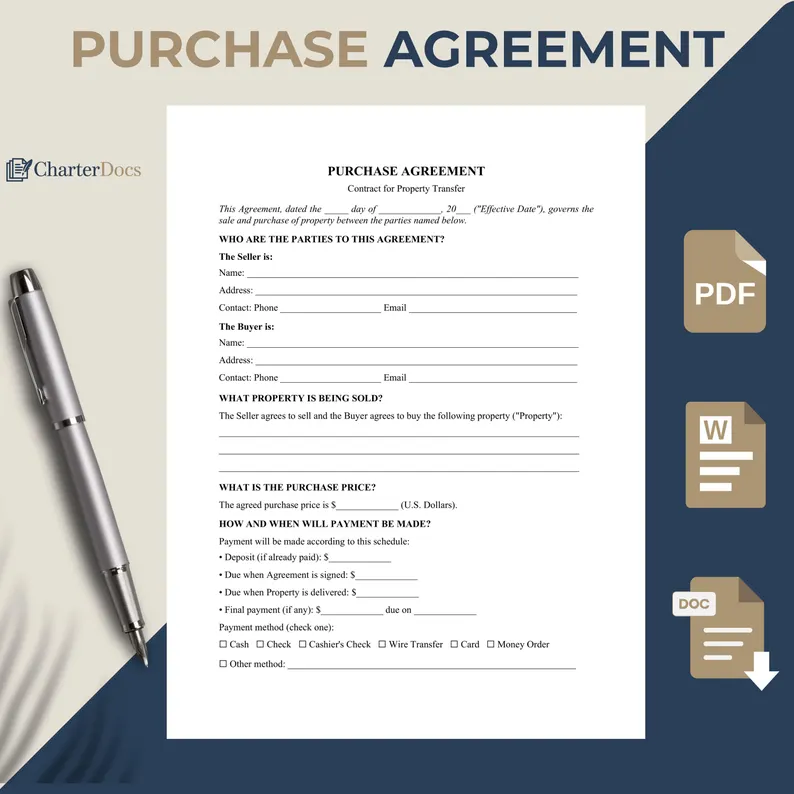
What Happens If You Back Out Without Legal Grounds
If you attempt to back out of a home sale in Indiana without a valid contractual reason and without the buyer’s consent, the consequences can be significant.
The most immediate consequence is the potential forfeiture of earnest money, though in a seller default scenario, the earnest money is typically held for the buyer rather than released to you.
More seriously, the buyer may seek specific performance, a legal remedy that compels the seller to complete the sale as agreed, rather than simply pay damages.
Indiana courts have historically been willing to grant specific performance in real estate cases because each property is considered legally unique and monetary damages are seen as an inadequate substitute.
A buyer who has already incurred title search costs, inspection fees, and other transaction expenses may also pursue a damages claim in addition to or instead of specific performance.
When the Buyer Is the One in Default
Not every post-contract complication originates with the seller, and it is worth understanding what happens when the buyer fails to perform.
If the buyer misses the closing date without a valid excuse, fails to deposit earnest money on time, or breaches another material term of the Indiana cash home purchase agreement, you may have the right to terminate the contract.
In that scenario, the earnest money is typically released to you as the seller, compensating you for the time and opportunity cost of having the property under contract.
Document every instance of buyer non-performance in writing, including missed deadlines and unreturned communications, as these records will support your position if a dispute arises.
Consult a real estate attorney before taking any formal termination action to ensure you are acting within the contract’s terms and protecting your legal standing.
The Role of the Earnest Money Deposit
Earnest money is the financial mechanism that creates accountability on both sides of the transaction, and its treatment in a termination scenario depends on who is at fault and what the contract says.
When a seller backs out without legal grounds, the earnest money is generally returned to the buyer, and the seller may face additional liability beyond that.
When a buyer backs out without legal grounds, the earnest money is typically forfeited to the seller as liquidated damages.
When both parties mutually agree to terminate, the disposition of the earnest money is negotiated and documented in the mutual release agreement.
The earnest money is always held in escrow by the title company until a written release signed by both parties directs its disbursement, so neither side can simply claim it unilaterally.

How to Protect Yourself Before You Sign
The best protection against the need to cancel a cash home sale in Indiana is to approach the purchase agreement with care and intention before you ever sign it.
Have a real estate attorney review the contract before execution so you fully understand your obligations, your exit rights, and the consequences of default.
If there are conditions under which you might need to exit the deal, such as uncertainty about your own replacement housing, discuss adding a seller contingency before signing rather than hoping the buyer will agree to one later.
Confirm that the closing date is genuinely achievable for your situation, because a date you cannot meet creates a potential default without the need for any external complication.
Sellers who take the time to understand what they are signing and negotiate reasonable terms upfront almost never find themselves in the difficult position of needing to back out after the fact.
What to Do If You Are Already Under Contract and Want Out
If you have already signed the Indiana cash home purchase agreement and now want to exit, the first step is to review the contract in detail with a qualified real estate attorney.
Your attorney will identify any contingencies you can invoke, assess whether the buyer has committed any default that gives you grounds to terminate, and advise you on the risk profile of your options.
Do not communicate your desire to exit directly to the buyer or take any unilateral action until you have legal guidance in place.
Premature or poorly worded communications can weaken your legal position and signal a default before any formal process has been initiated.
Understanding whether you can back out of a cash home sale in Indiana starts with knowing that options often exist, but navigating them correctly requires professional guidance rather than guesswork.
Frequently Asked Questions
Can you back out of a cash home sale in Indiana after signing?
Yes, but not without consequences unless you have a valid contractual reason, such as an unmet contingency or buyer default.
Backing out without legal grounds exposes you to earnest money liability and potentially a specific performance lawsuit, so always consult a real estate attorney before taking any action.
What happens to the earnest money if I cancel the sale?
If you cancel without legal grounds, the earnest money is typically returned to the buyer, and you may face additional claims for damages.
If the buyer defaults, the earnest money is generally forfeited to you as the seller. In a mutual release, both parties negotiate the disposition of the deposit in writing.
Can a buyer force me to sell my home in Indiana?
Yes. Under Indiana law, a buyer may seek specific performance, which is a court order compelling you to complete the sale as agreed in the purchase contract.
Courts in Indiana have granted this remedy in real estate disputes because each property is considered legally unique and financial compensation alone is often deemed insufficient.
How do I legally cancel a cash home sale in Indiana?
The cleanest method is a mutual release signed by both parties, which formally terminates the contract and specifies how the earnest money is handled.
Alternatively, if a contingency in the contract was not met or the buyer has defaulted, your attorney can guide you through a formal contractual termination.
Should I consult an attorney before backing out of a home sale in Indiana?
Absolutely. A real estate attorney will review your contract, identify your legal options, and help you avoid actions that could worsen your position.
The cost of a consultation is minimal compared to the financial and legal exposure that comes from handling a contract termination without proper guidance.