
How to get your house ready to sell
The thought of getting your house ready for sale can feel overwhelming. When the to-do list seems to stretch from the front curb to the back fence, where do you begin? This process isn’t about draining your savings on major renovations; it’s about making smart, simple choices.
Consider this preparation your first and best marketing investment. According to the National Association of Realtors, simple tasks like decluttering and deep cleaning directly impact a buyer’s perception of a home. These small efforts can increase home value and often lead to a faster sale.
This guide provides a clear home sale preparation timeline to take you from overwhelmed to in control, focusing on high-impact steps that require more elbow grease than cash to make a fantastic first impression.
Why Less is More: How Decluttering Makes Your Rooms Look Bigger and More Valuable
The most impactful change when selling your home often costs nothing: decluttering. It’s more than just tidying up; your goal is to create a feeling of spaciousness.
A room filled with too much furniture or cluttered with personal items can feel cramped. Removing excess items is a top home staging tip because it immediately makes your rooms feel larger, brighter, and more valuable.
Buyers will open your closets and peek into cabinets. If they see shelves packed to the brim, they won’t think, “This person has a lot of stuff.” They will think, “This house doesn’t have enough storage space.” By clearing out unnecessary items, you are showcasing one of your home’s key features: its storage potential.
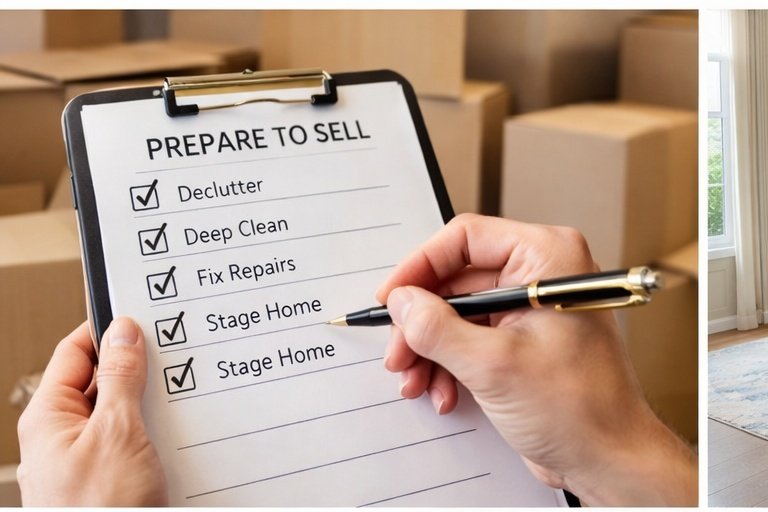
A simple rule of thumb is to remove about one-third of the things from every surface and storage area. This applies to books on a shelf, gadgets on the kitchen counter, and clothes in the closet. Consider a temporary storage unit for boxes and extra furniture. It’s a small investment that makes your square footage feel more generous.
Ultimately, you are selling the space, not your belongings. Creating this clean, open canvas helps buyers stop looking at your life and start picturing their own.
Make It Their Home, Not Yours: The Critical Step of Depersonalizing
While decluttering creates physical space, depersonalizing creates mental space. The goal is to transform your house into a welcoming environment that anyone would want to live in. This crucial home staging tip helps buyers emotionally connect with the property rather than feeling as though they are intruding on your life.
Your family photos and children’s art make it feel like home. To a buyer, these personal items are a constant reminder that they are a guest. Helping them mentally move in is key, and that’s difficult when your personality fills every room.
The less personal the space, the more potential buyers can picture their own future there.
Based on common real estate agent pre-sale advice, start by packing away these key items:
- Family photos and portraits
- Children’s artwork from the fridge
- Personal collections and memorabilia
- Specific religious or political decor
With a neutral space ready, it’s time to make it shine.
Your Pre-Listing Deep Clean: The Checklist for a “Well-Maintained” Vibe
A deep clean does more than just make your house look good—it sends a powerful message. To a potential buyer, a sparkling home signals that the property has been well-cared-for.
If they see grimy corners or a dirty oven, they’ll subconsciously wonder what bigger maintenance issues might be hiding. Kitchens and bathrooms are judged most critically, so giving them extra attention builds immediate buyer confidence.
To create that “well-maintained” vibe, focus on the details that have the greatest impact. This deep cleaning checklist will help you prepare for showings and a future home appraisal:
- Wash windows inside and out to maximize natural light.
- Scrub kitchen grout and backsplashes until they’re bright.
- Deep-clean the oven and all appliances that buyers will open.
- Erase scuffs and wipe down all baseboards and door frames.
- Descalcify bathroom fixtures to restore shine to faucets and showerheads.
With your home now sparkling, it’s easier to spot the small issues that cleaning can’t hide. A spotless surface only makes a leaky faucet or a sticky door more obvious.

What Repairs Are Mandatory? The Fix-It List That Prevents Inspection Headaches
Think of minor flaws like a loose thread on a new suit. A single leaky faucet or a sticky door can make a buyer’s imagination run wild about hidden water damage or foundation issues.
Addressing what repairs are mandatory before selling a house is less about rules and more about managing a buyer’s perception of risk.
Walk through your home and create a “fix-it” list. Pay close attention to dripping faucets, running toilets, sticky doors, and malfunctioning light switches.
Buyers notice these nagging annoyances immediately and often overestimate the cost to repair them, which can impact their confidence in the home.
Tackling these small jobs now offers huge pre-listing inspection benefits. Spending $50 to fix a running toilet can prevent a buyer from demanding a $1,000 credit after their professional inspection. It also helps you present a cleaner seller’s disclosure statement, leading to a smoother negotiation process.
Once all the drips, squeaks, and flickers are gone, your home doesn’t just look cared for; it feels solid and reliable.
The Highest ROI Upgrade: Why Neutral Paint is a Seller’s Best Friend
Of all the ways to increase home value with minor upgrades, few offer a better Return on Investment (ROI) than a fresh coat of paint. For a few hundred dollars in supplies, you can make your entire home look cleaner and more modern, which can translate into thousands more on your final sale price.
This task is consistently ranked among the best home improvements for resale value.
The secret lies in choosing the right color, and that means ignoring your personal favorites. A buyer needs to picture their own furniture in your space, and a bold color makes that difficult.
Neutral walls don’t compete for attention; they make rooms feel larger and brighter, allowing a buyer’s imagination to fill in the blanks.
When you’re at the hardware store, stick to the best neutral paint colors for selling a home: light grays, warm beiges (often called “greige”), or soft off-whites. These shades create a sense of calm and cleanliness that appeals to nearly everyone.

How to Boost Your Curb Appeal: 5 Budget-Friendly Ideas to Attract Buyers
Curb appeal is the feeling a buyer gets when they first pull up to your house. A great first impression sets a positive tone for the entire showing.
A buyer who is impressed from the start will walk through the front door looking for reasons to love the home, not reasons to criticize it.
Boosting curb appeal doesn’t require a massive landscaping budget. Many high-impact updates are inexpensive and can be done in a single weekend.
These small investments give a buyer the impression that the home is well-maintained and worth the asking price.
Here are five simple curb appeal ideas to attract buyers:
- Paint the front door a fresh, classic color like black, navy, or deep red.
- Buy a new welcome mat—it’s an instant sign of a cared-for home.
- Add two large pots with seasonal, colorful flowers to flank the entryway.
- Install new, easy-to-read house numbers for a modern touch.
- Tidy the landscape by mowing, edging walkways, and adding fresh mulch to garden beds.
These small touches create a welcoming look that signals to buyers that you’ve taken great care of your property.
Professional Home Staging vs. DIY: What’s Right For Your Sale?
With your home decluttered and sparkling, you’re ready for staging. Think of it like detailing a car before you sell it; you’re highlighting its best features to attract the highest offer.
Staging involves arranging furniture to showcase your home’s space, function, and potential, making it one of the most effective home staging tips for a quick sale.
The primary goal of staging is to help buyers emotionally connect with the property. By creating clear walking paths and defining each room’s purpose, you allow them to visualize their own life there.
A strategically placed armchair and lamp can turn an empty corner into a cozy reading nook.
The decision between professional home staging vs. DIY often comes down to one question: Is the house empty?
Professional stagers are invaluable for vacant homes, as empty rooms can feel smaller and less inviting. They bring in perfectly scaled furniture to add warmth and help buyers understand the layout.
However, if you’re still living in the home, you can achieve fantastic results on your own. Focus on making every space feel open and bright.
Pull furniture away from the walls, remove oversized pieces that crowd a room, and ensure every area has a single, clear purpose.
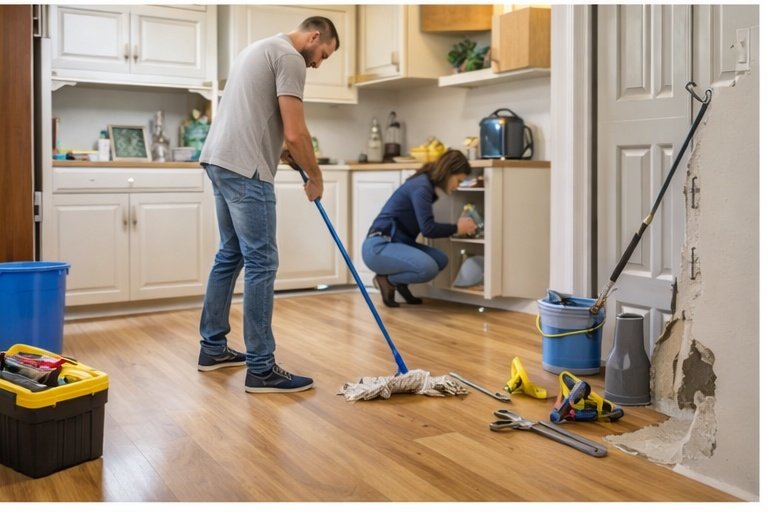
Your Final Checklist: You’re Ready to List Your Home with Confidence
The overwhelming task of preparing your house for sale is now a clear, manageable path. You’ve learned to see your space through a buyer’s eyes, understanding how small, intentional changes contribute to a faster sale and a better offer.
Use this checklist as your home sale preparation timeline. As you complete these steps, you’ll also be better prepared for your seller’s disclosure statement requirements.
The 7-Step Pre-Listing Checklist:
- Declutter and Depersonalize.
- Perform a Top-to-Bottom Deep Clean.
- Complete All Minor, Obvious Repairs.
- Apply a Fresh Coat of Neutral Paint.
- Maximize Curb Appeal.
- Stage Key Rooms for Photos & Showings.
- Consult Your Real Estate Agent for final advice.
You’ve done the work to transform your house into a desirable product. Each completed step builds momentum, putting you firmly in control. You’re no longer just selling a house; you’re presenting an opportunity that a buyer will be thrilled to call home.