
Discovering that your home has code violations or receiving a formal notice from your local code enforcement office can feel like the ground shifting beneath your feet, especially if you’re trying to sell.
Questions flood in fast: Can I sell a house with code violations in Indiana? Do I have to fix everything first? Will anyone buy it? Will it attract a fair market offer?
The encouraging reality is that selling a house with code violations in Indiana is not only possible, but it also happens regularly across the state.
From aging homes in Indianapolis neighborhoods to rural properties that predate modern building standards, Indiana homeowners successfully sell code-violation properties every year.
The key is to understand your legal obligations, know your options, and choose the right strategy for your specific situation.
This guide walks you through everything you need to know: what code violations actually mean for your sale, Indiana’s disclosure requirements, your three main selling paths, and how to find the right buyer quickly.
What Are Property Code Violations in Indiana?
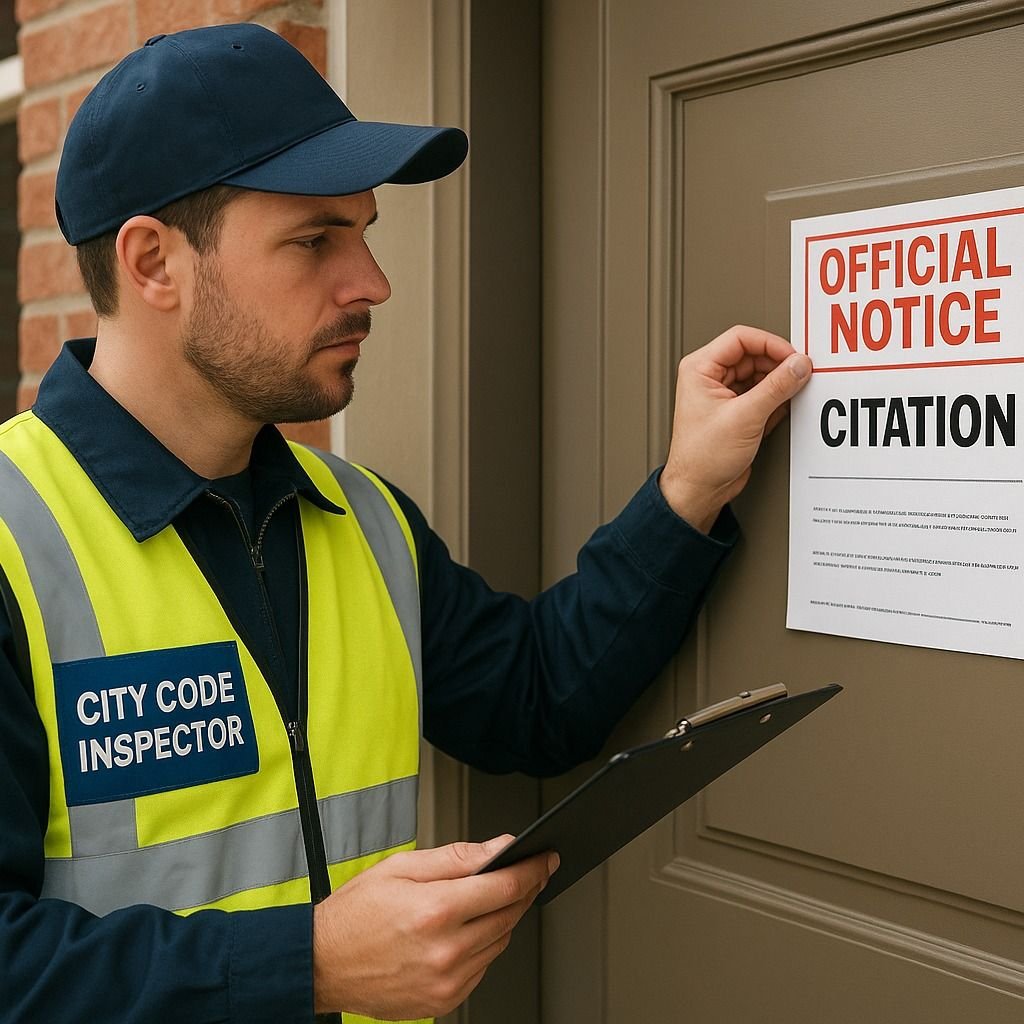
Property code violations in Indiana are issued when a home fails to meet the minimum standards set by local building, health, safety, or zoning codes.
These standards are enforced at the city or county level, and a violation notice is typically triggered by a neighbor complaint, a permit application, a routine inspection, or a report filed with local code enforcement.
Violations vary enormously in scope and severity. Some are minor administrative issues, such as a fence built without a permit, peeling exterior paint, or an overgrown yard.
Others are serious safety concerns that can make a home difficult or impossible to finance through traditional mortgage channels. Common property code violations in Indiana include:
#1. Structural deficiencies: foundation issues, roof deterioration, compromised load-bearing elements.
#2. Electrical violations: outdated wiring, missing GFCI outlets, improperly installed panels
#3. Plumbing and sewer issues: failing septic systems, improper drainage, leaking supply lines
#4. Unpermitted work: additions, garages, decks, or basement finishes completed without required permits
#5. HVAC failures: inoperable heating systems, unsafe venting, non-code-compliant installations
#6. Fire and life safety violations: absent smoke detectors, blocked egress windows, compromised fire barriers.
#7. Exterior and habitability concerns: broken windows, unsecured entry points, exposed lead paint in pre-1978 homes
The nature and number of violations on your property will directly shape which selling strategy makes the most sense. Before making any decisions, pull a full code violation report from your local municipality or county building department so you know exactly what you’re dealing with.
Can You Sell a House with Violations in Indiana?
This is the first and most important question for most homeowners in this situation. Can you sell a house with violations in Indiana? Yes. Indiana law does not require sellers to resolve code violations before transferring ownership of a property.
There is no statewide statute prohibiting a home sale involving an Indiana code violation from proceeding while the violation remains open.
However, two critical factors complicate traditional sales: mandatory disclosure and lender financing requirements.
Disclosure Is Non-Negotiable
Indiana’s Seller’s Residential Real Estate Sales Disclosure Act requires sellers to disclose all known material defects that could affect the value or desirability of the property.
Formally issued code violations qualify as material defects. You are legally obligated to inform prospective buyers of any violations you’re aware of, along with copies of any notices or orders from code enforcement.
Withholding this information is not a loophole; it’s a liability. Buyers who discover undisclosed violations after closing have strong legal standing to pursue claims against the seller.
Full, documented disclosure protects both parties and is the only legally sound approach to a home sale involving an Indiana Code violation.
Financing Roadblocks
Even when a buyer is willing to purchase a home with violations, their lender may not cooperate. FHA, VA, and most conventional mortgage programs require properties to meet minimum condition standards before a loan will be approved.
Significant violations, particularly structural, electrical, plumbing, or habitability issues, can cause a home to fail appraisal, killing the financing and collapsing the deal.
This is why many Indiana homeowners with violation-laden properties find that the traditional listing route is more difficult than expected.
Willing buyers exist, but if they need a mortgage, the lender can become a silent obstacle, derailing the transaction entirely.
This reality points many sellers toward alternative routes: as-is listings, investor markets, and cash home buyers.
Your Three Main Options to Sell a Home with Code Violations in Indiana
When it comes to selling a home with code violations in Indiana, there are three practical paths. Each has distinct trade-offs in terms of time, cost, and final sale price.

Option 1: Remediate the Violations, Then List
The most conventional approach is to bring the property into compliance before listing it on the open market. Resolving violations opens your home to the widest pool of buyers, including those using traditional financing, and typically results in a higher sale price.
This path makes the most sense when:
#1. The violations are relatively minor or inexpensive to fix.
#2. You have the financial reserves and time to manage repairs.
#3. The expected increase in sale price outweighs the cost of remediation.
To execute this properly, start by obtaining a complete list of violations from your local code enforcement office. Hire licensed contractors to provide written estimates for all required work, and make sure you pull the appropriate permits before beginning any repairs.
Completing work without permits can create new violations on top of the existing ones, a costly mistake that adds complexity to an already complicated situation.
Once repairs are complete, request a re-inspection from your local code enforcement office and obtain written documentation confirming the violations have been resolved.
This paperwork is valuable; it protects you legally and gives buyers and their lenders confidence in the property’s compliance status.
The downside of this approach is obvious: it takes time and money. If the violations are extensive, think a full electrical rewire, a new septic system, or foundation repair, the costs can easily run into the tens of thousands of dollars with no guarantee that the final sale price will recover the full investment.
Option 2: Sell Your House As-Is in Indiana
Selling a house as-is in Indiana means marketing the property in its current condition, disclosing all known violations upfront, and allowing the market to price in the cost of repairs. You’re not hiding anything; you’re simply being transparent about the property’s condition and pricing accordingly.
To sell a house as-is is legal, straightforward, and increasingly common in Indiana’s real estate market. They’re particularly well-suited for:
#1. Inherited properties in poor condition
#2. Homes that have been vacant or neglected for extended periods
#3. Sellers who lack the capital to fund repairs
#4. Homeowners dealing with financial distress, divorce, or other circumstances that require a clean, fast exit
#5. Properties with multiple or recurring violations that make piecemeal repair impractical
When listing as-is on the open market, your buyer pool will naturally shift toward investors, house flippers, and renovation-minded buyers rather than traditional owner-occupants. Pricing needs to reflect the property’s current condition and account for the cost of repairs buyers will take on.
Overpricing an as-is home is one of the most common mistakes sellers make. It leads to extended days on market, price reductions, and ultimately a weaker negotiating position.
Working with an experienced real estate agent who understands distressed properties is essential here. A skilled agent will know how to price the home competitively, market it to the right audience, and manage the disclosure process cleanly so the transaction doesn’t fall apart over condition issues.
Option 3: Sell to Cash Buyers for Code Violation Homes in Indiana
For many Indiana homeowners, the most practical and stress-free solution is to sell homes with code violations directly to cash buyers.
These are real estate investors: individuals or investment companies who specialize in purchasing properties under all conditions, with no financing contingencies, no repair requirements, and no lengthy closing timelines.
A fast home sale with violations in Indiana through a cash buyer typically follows a simple process:
#1. Contact a cash buyer and provide basic details about the property’s address, general condition, and any known violations.
#2. Receive a cash offer: usually within 24 to 72 hours of the initial inquiry. No obligation to accept.
#3. Review and accept the offer if the terms work for your situation.
#4. Close on your timeline: cash sales can close in as little as seven to fourteen days, though the timeline is flexible if you need more time.
#5. Walk away clean: no repairs, no inspections, no appraisal contingencies, no waiting on lender approvals.
Cash buyers purchase properties with open violations, unpermitted additions, structural problems, fire damage, condemned status, delinquent property taxes, and virtually every other distressed condition imaginable.
They factor the cost of remediation into their offer, which means you won’t receive full market value but you also won’t spend months managing contractors, pulling permits, and hoping a traditional buyer’s lender approves the loan.
For homeowners in the following situations, cash buyers are often the smartest move:
#1. Facing foreclosure: a cash sale can close before foreclosure is finalized, allowing you to pay off the mortgage and protect your credit to the extent possible.
#2. Managing an estate or inherited property: heirs often want a clean, fast exit from a property they didn’t choose and don’t want to maintain
#3. Relocating on a deadline: you don’t have time to manage a renovation from another city or state.
#4. Financially unable to fund repairs: no savings, no home equity line, no realistic path to remediation
#5. Exhausted by the process: multiple violations, repeated inspections, difficult contractors, and you simply want it done
When evaluating cash buyers, take the time to vet them properly. Legitimate investors will provide a written offer, clearly explain their process, never charge upfront fees, and give you time to review the offer without high-pressure tactics.
Check reviews, verify their business presence, and if anything feels off, move on. The market for cash buyers in Indiana is competitive; you have options.
How Violations Affect Your Sale Price

Regardless of which route you take, property code violations in Indiana will affect your final sale price. Understanding how buyers calculate value on a distressed property helps you set realistic expectations and evaluate offers with confidence.
Investors and cash buyers typically use an After Repair Value (ARV) framework:
ARV − Cost of Repairs − Buyer Profit Margin = Offer Price
For example, if your home is worth $200,000 fully repaired, the total remediation cost is estimated at $50,000, and the buyer requires a $25,000 profit margin, expect offers in the range of $120,000 to $130,000.
This isn’t price gouging; it’s the math of assuming risk and taking on a project with uncertain timelines and costs. Understanding it helps you evaluate whether an offer is reasonable or whether a different selling path might serve you better.
Disclosures: What Indiana Sellers Must Communicate
Whatever selling strategy you choose, your disclosure obligations remain constant. Indiana requires you to disclose all known material defects, and code violations squarely fall into that category. Your disclosure package should include:
#1. Copies of all violation notices or orders received from code enforcement
#2. A clear description of each violation and its current status
#3. Documentation of any repair attempts, whether completed or incomplete
#4. The status of all permits, including expired permits or work completed without permits
Being thorough here is your strongest legal protection. A buyer who purchases with complete knowledge of the property’s condition has significantly less legal ground to stand on if they later claim they were misled.
A buyer who discovers concealed violations after closing has a strong case and Indiana courts take seller fraud seriously.
Frequently Asked Questions
Do I have to fix code violations before selling in Indiana?
No. You can sell with open violations, but you must disclose them to the buyer. Pricing should reflect the cost the buyer will incur to resolve them.
Will a code violation prevent me from selling?
Not legally. But violations can limit your pool of eligible buyers, particularly those using mortgage financing. Lenders may reject properties that don’t meet minimum condition standards.
What is the fastest way to sell a house with code violations in Indiana?
Selling to a cash buyer or real estate investor is the fastest route. Closings can occur in one to two weeks with no repair requirements, no financing contingencies, and minimal paperwork compared to traditional sales.
How much less will I get for a home with violations?
It varies widely based on the type and extent of violations. Minor issues may result in a modest reduction. Significant structural, electrical, or septic violations can reduce the sale price by 20–40% or more relative to a fully compliant comparable home.
Can I sell an as-is home in Indiana if it has been condemned?
Yes, though the buyer pool narrows significantly. Cash buyers and investors are the most realistic purchasers of condemned properties. Full disclosure and accurate pricing are essential.
What happens if you stop mortgage payments on a house with a code violation?
If you stop making mortgage payments on a house with code violations, the code violations do not cancel your mortgage obligation. You can still face serious financial and legal consequences, even if the property has major issues.
Final Thoughts
Understanding how to sell a home with code violations in Indiana comes down to three things: knowing your legal obligations, accurately assessing your property’s condition, and choosing the selling strategy that aligns with your timeline and financial situation.
If you have the time and resources to remediate, fixing violations before listing can maximize your return. If you need a clean, fast exit, selling a house as-is in Indiana or working with cash buyers for homes with code violations offers a practical path that doesn’t require you to sink money into a property you’re ready to move on from.
Whatever you decide, disclose everything, price honestly, and work with professionals who have real experience in distressed Indiana property sales. The goal is a clean transaction that closes without drama and puts you firmly in your next chapter.