
Owning rental property in Northwest Indiana once seemed like the perfect path to passive income and long-term wealth.
But for many landlords, the reality looks very different from the dream: late-night maintenance calls, difficult tenants, vacancy cycles, and rising property taxes have turned an investment into an exhausting second job.
If you’re a tired landlord in NW Indiana, you’re not alone. Hundreds of rental property owners across Lake County, Porter County, and LaPorte County find themselves at a crossroads every year, holding an asset that’s draining their energy, their time, and sometimes their finances, and wondering if it’s finally time to let it go.
The good news is this: selling your rental property fast in NW Indiana doesn’t have to be complicated, slow, or stressful. Whether your property is occupied, vacant, in need of repairs, or in perfect condition, there are proven strategies and ready buyers who can move quickly. This guide will show you exactly how.
Why NW Indiana Landlords Are Choosing to Sell
The Northwest Indiana rental market has shifted significantly in recent years. Rising maintenance costs, updated landlord-tenant laws, and increased competition from new rental developments have narrowed profit margins for many independent landlords who own one to five properties.
Many landlords in cities like Gary, Hammond, Merrillville, Valparaiso, Michigan City, and Crown Point are discovering that the cash flow they once counted on has been quietly eroded by inflation-driven repair costs, higher insurance premiums, and the growing complexity of managing tenants in a more legally aware environment.
For others, the motivation is personal: retirement, health challenges, a desire to simplify life, or simply the recognition that their capital could work harder in a different investment. Whatever the reason, if you want to sell your rental property fast in NW Indiana, the decision is valid, and the market is ready to meet you where you are.
The Unique Challenges of Selling a Rental Property
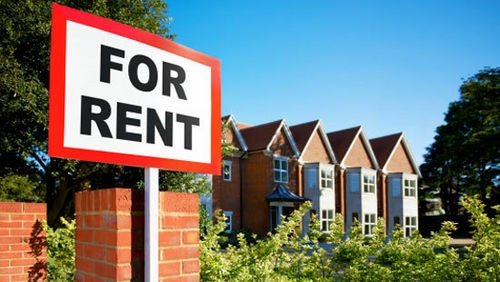
Selling a rental property is fundamentally different from selling a primary residence, and understanding those differences up front will save you significant time and frustration. Unlike an owner-occupied home, a rental property is an income-producing asset, and buyers will evaluate it through that lens.
Potential buyers will want to review rent rolls, lease agreements, tenant payment histories, maintenance records, and expense documentation. The financial performance of the property matters just as much as, and often more than, its physical condition and curb appeal.
Landlords selling rental properties in Indiana consistently emphasize one key point: prepare your documentation before you list. Organized, transparent financial records shorten due diligence periods, increase buyer confidence, and lead to faster, cleaner closings with fewer last-minute surprises.
Should You Sell With Tenants in Place?
One of the most common questions landlords face is whether to sell their property with tenants still occupying it or wait for a vacancy. The honest answer depends on your specific situation; both options have real advantages and real drawbacks.
Selling with tenants in place means your property continues generating rental income throughout the sale process. It also expands your buyer pool to include investors who prefer acquiring a property with an established, income-producing tenant already in residence.
However, when you sell a tenant-occupied house in Indiana, you must comply with Indiana’s tenant notification laws, respect the existing lease terms, and coordinate showings in a way that doesn’t violate tenants’ right to quiet enjoyment. An experienced real estate professional can help you navigate these obligations smoothly and legally.
Indiana Tenant Rights and What They Mean for Your Sale
Indiana law provides specific protections for tenants when a rental property is sold. Tenants must be given proper notice of showings, and their lease terms remain legally binding through the sale, meaning a buyer takes on the existing lease unless the tenant agrees otherwise.
If a tenant has a month-to-month lease, you can provide proper written notice to vacate before listing, which simplifies the sale process and broadens your buyer pool to include both investors and owner-occupants. However, breaking a fixed-term lease early without cause can expose the estate to legal liability.
Understanding these legal parameters before you list is essential for a smooth transaction. Working with a real estate attorney familiar with Indiana landlord-tenant law protects you throughout the process and ensures your sale doesn’t get derailed by a preventable legal dispute.

Preparing Your Rental Property for Sale
Unlike selling a primary residence, staging and cosmetic improvements for a rental property sale depend heavily on your target buyer.
If you’re marketing to NW Indiana real estate investors, presentation matters less than the numbers; cap rate, cash-on-cash return, and net operating income drive their decisions.
If you’re targeting a broader market that includes owner-occupants or first-time landlords, basic cosmetic improvements like fresh paint, clean landscaping, and repaired fixtures can meaningfully improve the property’s perceived value and attract higher offers.
Regardless of your target buyer, the property should be clean, safe, and code-compliant at the time of sale. Address any known habitability issues, outstanding building violations, or deferred maintenance items that could surface during inspection and give buyers grounds to renegotiate the price.
Pricing Your Rental Property to Sell Fast
Pricing investment property is more nuanced than pricing a primary residence. In addition to comparable sales in the area, buyers and appraisers will evaluate the property’s income potential using metrics such as the gross rent multiplier (GRM), capitalization rate (cap rate), and annual net operating income (NOI).
A property priced too high relative to its income performance will sit on the market, attract skeptical investors, and ultimately sell for less than an accurately priced listing would have achieved. Overpricing is one of the most common and costly mistakes in selling rental property in Indiana.
Work with a real estate agent who understands investment property valuation, not just residential comparables, to establish a price that reflects both market value and income performance. A well-priced rental property in NW Indiana can attract multiple competing offers, particularly in high-demand rental corridors.
The Power of Selling to a Cash Buyer
For landlords who want speed, certainty, and simplicity, selling rental homes in Indiana to cash buyers is by far the most efficient path.
Cash buyers, typically individual investors or investment companies, understand rental property intimately, are comfortable buying as-is and with tenants in place, and can close in as little as one to three weeks.
There are no mortgage financing contingencies to navigate, no lengthy bank appraisal processes to wait for, and no requirement to make repairs or updates before closing.
The transaction moves at a speed that simply isn’t possible through traditional financing channels.
The trade-off is that cash offers are typically below full retail market value. However, when you factor in the savings on repairs, months of holding costs, agent commissions on both sides, and the value of closing with certainty on your timeline, many NW Indiana landlords find the net result financially competitive and the simplicity invaluable.
How to Find Reputable Cash Buyers in NW Indiana
Northwest Indiana has an active community of real estate investors and investment companies that specifically seek out rental properties for acquisition. Finding the right buyer starts with knowing where to look and how to evaluate who you’re dealing with.
Reputable NW Indiana real estate investors will provide proof of funds without hesitation, present clear and straightforward contracts, and give you adequate time to review any offer with an attorney before signing. They will never pressure you into a rushed decision or use high-pressure tactics designed to exploit urgency.
Request at least two or three competing cash offers before making a decision. Multiple offers give you leverage, help you understand the realistic market for your specific property, and ensure you’re receiving a fair price.
Online platforms, local real estate investment associations, and referrals from property managers or attorneys are all solid starting points.
The Traditional Listing Route: When It Makes Sense
While cash buyers offer speed and simplicity, a traditional MLS listing through an experienced real estate agent may yield a higher sale price, particularly for well-maintained rental properties in strong NW Indiana markets like Valparaiso, Schererville, Chesterton, and Portage.
A traditional listing exposes your property to the widest possible pool of buyers, including individual investors, first-time landlords, house hackers, and owner-occupants, all of whom may be competing for the same property.
That competition can drive the final sale price meaningfully above what a single cash buyer would offer.
The trade-off is time. A traditional listing typically takes 30 to 90 days from listing to closing, during which you continue to manage tenant relationships, maintain the property, and cover all associated costs. For landlords in no particular hurry and with a well-performing property, this route often makes strong financial sense.

1031 Exchange: Deferring Taxes While Upgrading Your Portfolio
If you’ve owned your rental property for several years and have accumulated significant appreciation, selling without a tax strategy could result in a substantial capital gains tax bill.
A 1031 exchange allows you to defer those taxes by reinvesting the sale proceeds into a like-kind property within a specific timeframe.
Under IRS Section 1031 rules, you must identify a replacement property within 45 days of closing and complete the purchase within 180 days.
The exchange must be handled through a qualified intermediary, a neutral third party who holds the proceeds and manages the exchange process.
A 1031 exchange is one of the most powerful wealth-building tools available to landlords selling investment property.
Consulting with a tax advisor who specializes in real estate before you sell ensures you understand whether this strategy is right for your situation and how to execute it correctly.
How to Sell Investment Property Fast Without Sacrificing Value
Speed and value are not mutually exclusive, but achieving both requires preparation and strategy. Selling an investment property fast while still protecting your net proceeds starts with having everything in order before you go to market.
Organize your financials: current leases, rent rolls, 12 to 24 months of income and expense history, utility bills, insurance records, and any outstanding repair or improvement documentation. Buyers and investors make faster decisions when they have complete, transparent information in front of them.
Price the property accurately from day one. A listing that requires price reductions after extended days on the market signals weakness to buyers and often results in a final sale price lower than a well-priced initial listing would have achieved. Preparation plus accurate pricing is the fastest path to a successful, value-preserving sale.
Handling Difficult Tenants During the Sale Process
For many tired landlords, problematic tenants are the primary reason they’re selling in the first place. Non-paying tenants, property damage, lease violations, or simply an adversarial landlord-tenant relationship can make the prospect of managing showings and a sale feel overwhelming.
If a tenant is significantly delinquent or in violation of their lease, Indiana law provides a formal eviction process that, once completed, allows you to market the property to a much broader pool of buyers. However, evictions take time, sometimes several months, and beginning this process before deciding to sell is worth considering.
Alternatively, cash buyers for rental homes in Indiana are often experienced with exactly these situations. Many actively seek properties with difficult tenants because they have the systems, resources, and legal knowledge to resolve those situations efficiently post-purchase.
You may not need to resolve the tenant situation before you sell at all.
Tax Implications Every NW Indiana Landlord Should Understand
Selling a rental property triggers different tax consequences than selling a primary residence. You will owe capital gains tax on the profit from the sale, and you may also face depreciation recapture, that is, a tax on the depreciation deductions you’ve taken during your ownership of the property.
Depreciation recapture is federally taxed at up to 25% and can be a significant tax liability that surprises many first-time sellers of rental property.
Working with a CPA or tax advisor who specializes in real estate investment transactions before you close is not optional; it’s essential.
Indiana state taxes also apply to the gain from the sale of a rental property. A comprehensive pre-sale tax planning conversation with a qualified professional allows you to structure the transaction in the most tax-efficient way possible, whether through a 1031 exchange, installment sale, or other strategies suited to your situation.
Why Now Is a Strong Time to Sell in NW Indiana
The Northwest Indiana real estate market has benefited significantly from its proximity to the Chicago metro area. With remote and hybrid work trends continuing to drive population movement from Chicago into affordable Indiana communities, demand for both owner-occupied and rental housing in NW Indiana has remained consistently strong.
For landlords considering selling rental property in Indiana, this sustained demand means there is an active, competitive pool of buyers for rental properties across Lake County, Porter County, and LaPorte County right now. Well-located rental properties are attracting serious investor interest, and well-priced listings are moving quickly.
Waiting for a “better” market is a strategy that has cost many NW Indiana landlords thousands of dollars in carrying costs, accumulated deferred maintenance, and tenant-related headaches. If the property is no longer serving your financial or personal goals, the market is ready to meet you, and the time to act is now.
Building Your Sales Team
Successfully selling a rental property in NW Indiana requires a team of professionals who specifically understand investment real estate.
The core team you need includes a real estate agent experienced in investment property sales, a real estate attorney familiar with Indiana landlord-tenant law, and a tax advisor or CPA who specializes in investment property transactions.
Each professional plays a distinct, essential role. Your agent markets the property and negotiates the sale. Your attorney ensures lease compliance, contract review, and legal protection throughout the process. Your tax advisor ensures you keep as much of the proceeds as legally possible.
Cutting corners on any member of this team is a false economy. The cost of good professional advice is always smaller than the cost of the mistakes it prevents. Invest in your team, and your team will invest in your outcome.
Final Thoughts: It’s Time to Move Forward
If you’ve been putting off this decision- telling yourself you’ll sell when the market improves, when the tenants leave, when the repairs are done then consider this your permission to stop waiting.
The perfect moment rarely arrives, and every month you delay is another month of stress, expense, and energy spent on a property that no longer serves you.
How to sell a rental property fast in NW Indiana, professionals are ready and waiting. Whether you choose a cash buyer, a traditional listing, or a hybrid approach, the path forward is clearer than it may feel right now. What it requires is a decision, and then the right team to execute it.
You’ve worked hard to build what you have. Now it’s time to convert that asset into the freedom, financial flexibility, and peace of mind that you deserve. Take the first step today.