
If you’re staring down foreclosure, you’re not alone, and you’re not out of options. Foreclosure can feel like your finances and peace of mind are slipping away simultaneously.
The good news is that in many cases, selling the home before the foreclosure is final can reduce damage, protect your credit more than a completed foreclosure, and help you move forward.
The most important factor is speed. The earlier you take action, the more choices you have, whether that means selling fast, negotiating with your lender, or exploring other relief programs.
This guide breaks down what foreclosure means, how timelines generally work, and the most effective ways to sell your house quickly before the process goes too far.
What Foreclosure Means For Homeowners
Foreclosure is the legal process a lender uses to take back a property after missed mortgage payments. In short, if the loan stays unpaid long enough, the lender can move to repossess and sell the home to recover what’s owed.
For homeowners, foreclosure can have long-lasting consequences:
- Major damage to your credit score
- Reduced ability to qualify for future loans or rentals
- Potential legal and financial fees tied to the process
- The loss of any equity you built in the property
The key thing to understand is that foreclosure isn’t a single event; it’s a series of steps, and within those steps, there’s often a window where you can still sell.

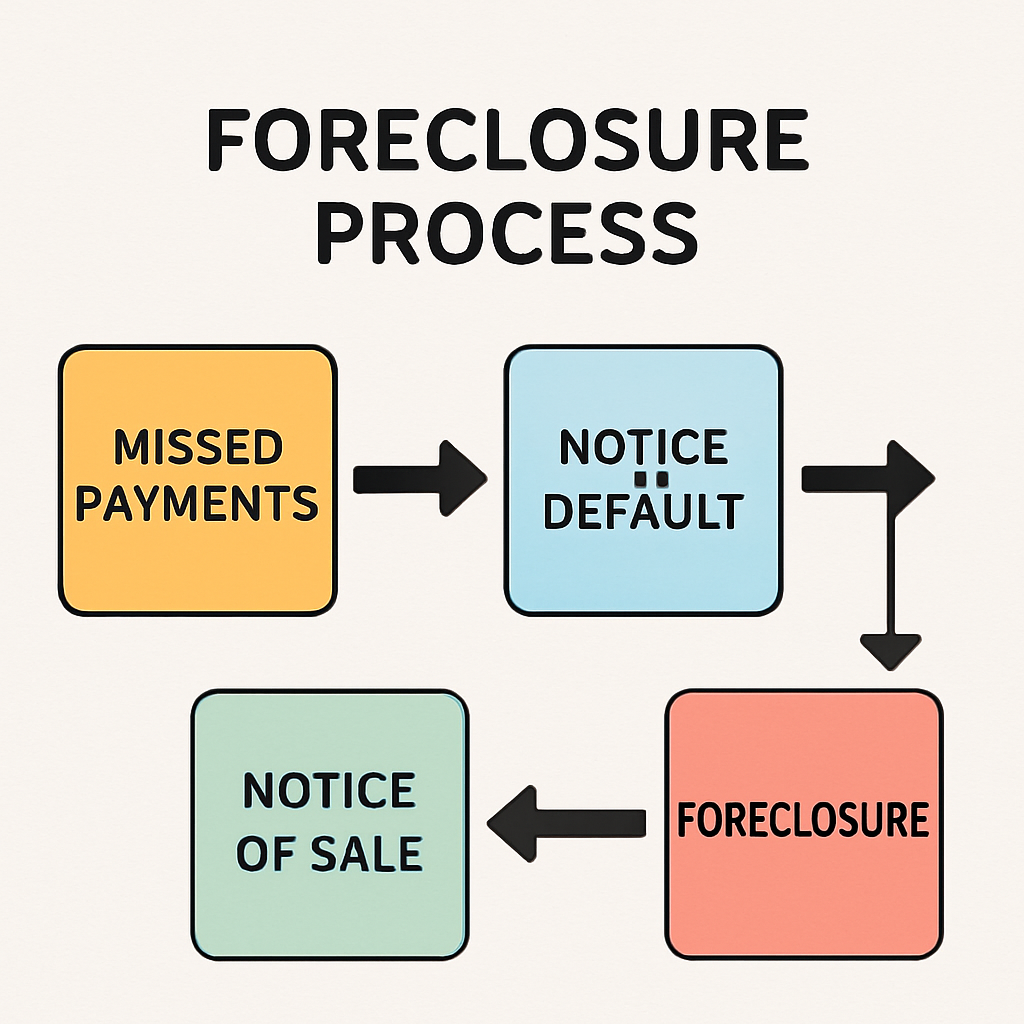
A Common Foreclosure Sequence
While details vary by state, most foreclosures follow a pattern:
- Missed payments begin (typically after 1–3 months, the lender escalates.
- Notice of default or formal filing begins the process
- Pre-foreclosure period (a short window to fix, sell, or negotiate)
- The auction date is scheduled
- If unsold, the lender takes ownership (REO/post-foreclosure)
Pre-foreclosure is typically when homeowners have the most leverage. That’s the stage where a fast sale can prevent the most serious long-term damage.
Foreclosure Timeline: How Much Time Do You Actually Have?
The foreclosure clock doesn’t move at the same speed in every state, but the structure is similar. Usually, lenders don’t start formal action after one missed payment, but once multiple payments are missed, the process accelerates quickly.
Once the lender issues the notice of default (or begins formal proceedings), the home typically enters pre-foreclosure, which is your best opportunity to sell or negotiate.
Typical Time Windows (General)
- First missed payments: lender calls/notices begin
- Around 90 days late: escalation often increases
- Notice of default/filing: official process begins
- Pre-foreclosure period: your window to sell or resolve
- Auction: commonly scheduled months later, depending on state/lender
The takeaway: don’t wait until an auction date is posted. The earlier you move, the more options stay on the table.
Why Selling Before Foreclosure Matters
Selling the house before foreclosure is finalized can be the difference between a manageable setback and a multi-year financial recovery.
Here’s what selling early can help you avoid:
- Severe credit damage from a completed foreclosure
- Accumulating legal fees and penalties
- Losing control over move-out timing
- Potentially losing any remaining equity

Benefits of Selling Before Foreclosure
- Protects your credit more than foreclosure does
- Helps you avoid court costs and added fees
- Gives you more control over your closing date
- Reduces stress and uncertainty
- May allow you to preserve equity, depending on your payoff and sale price
Even if you don’t “profit” from the sale, avoiding foreclosure can still be a major win for your financial future.
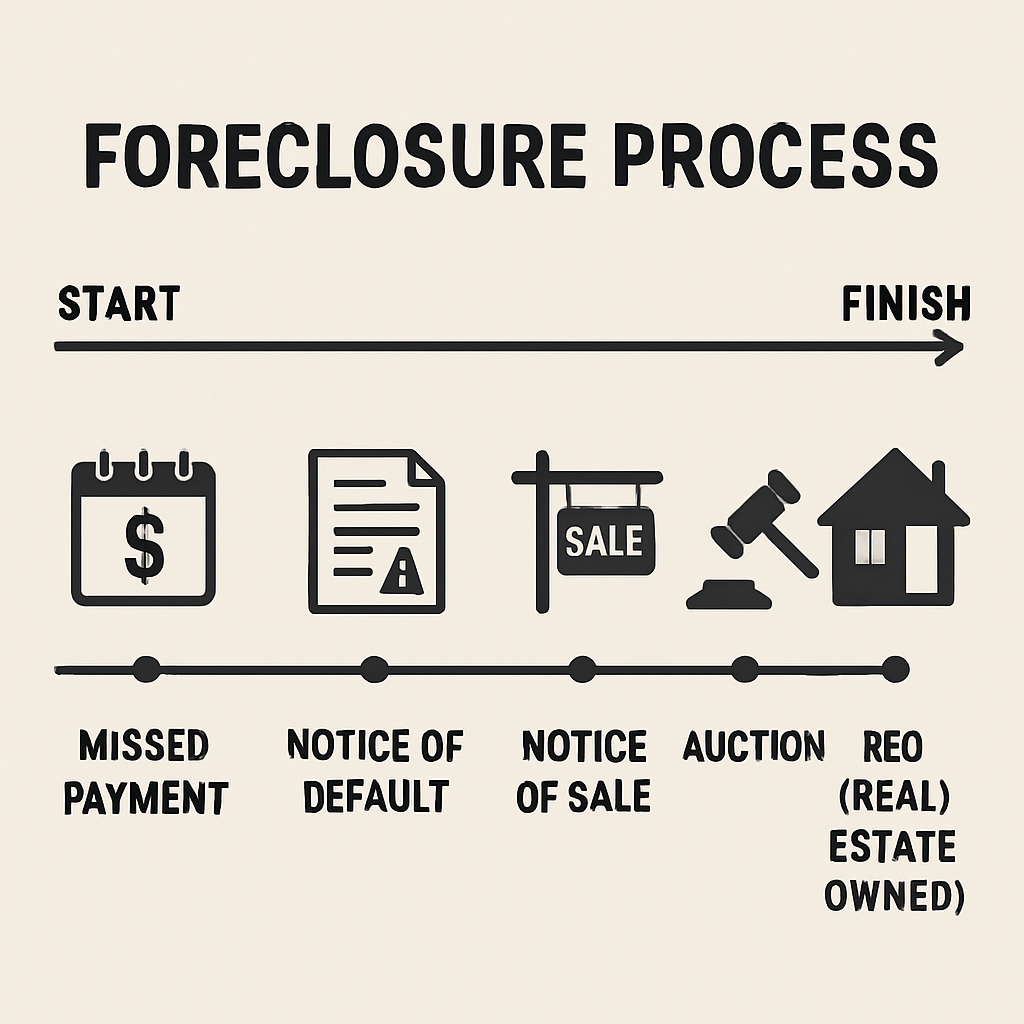
Being informed about each phase helps with task planning and prioritization. Time is vital, so don’t delay. See Fast Ways To Sell Your House Before Foreclosure.
There are several ways to sell quickly. The best route depends on how much time you have, the condition of the home, and whether you owe more than the property is worth.
Option 1: List With A Real Estate Agent (Traditional Sale)
Selling on the open market can bring the highest price, but it can take time. If your timeline allows, an agent can help with pricing, marketing, and negotiations.
Pros
- Maximum exposure to buyers
- Higher potential sale price
- Professional guidance through closing
Cons
- Showings, repairs, cleaning, staging
- Inspection negotiations
- Longer closing timelines
- Risk of buyer financing falling through
This option works best when the house is in decent condition, and you have enough time before the foreclosure process escalates.
Option 2: Sell To A Cash Buyer (Fastest Closing)
Cash buyers and investors can often close quickly because they don’t rely on a mortgage approval process. Many will also buy the property as-is, which saves time and stress.
Why sellers choose cash buyers
- Faster closing (often 7–14 days, depending on title)
- No repairs, no showings, no staging
- Fewer contingencies
- Less risk of financing delays
Trade-off: cash offers are typically lower than the retail market value because the buyer assumes repairs, holding costs, and resale risk.
Option 3: Work With Real Estate Investors (Flexible Terms)
Investors are similar to cash buyers but may also offer creative solutions, especially in pre-foreclosure situations.
Potential benefits
- Fast closings
- As-is purchase options
- Flexible terms in certain cases
Downside: investors often use strict formulas and negotiate aggressively. If you go this route, talk to multiple buyers to compare offers.
Short Sale And Deed In Lieu (If You Owe More Than It’s Worth)
Short Sale
A short sale happens when the lender agrees to let you sell for less than your mortgage balance. It requires lender approval and can take time, but it’s usually less damaging than foreclosure.
Short sale highlights
- Must prove hardship
- The lender must approve the offer
- Credit impact is often less than foreclosure
- You avoid the foreclosure process by completing
Deed In Lieu Of Foreclosure
This is when you voluntarily transfer ownership to the lender to satisfy the debt. It may be an option if selling isn’t possible, but it generally means giving up any equity.
How To Prepare Your Home For A Quick Sale
If time is tight, focus on what creates the biggest impact fast.
Quick wins
- Remove clutter and trash
- Clean the main areas (kitchen, living room, bathrooms)
- Fix obvious small issues (leaks, broken lights, missing hardware)
- Improve curb appeal (mow grass, clear entry, basic landscaping)
- Use bright, clear photos for listings
Even if you sell as-is, a basic presentation can make buyers move faster.
Pricing Your Home To Sell Fast
Speed comes from being priced realistically. Overpricing slows everything down—especially when time is limited.
Smart pricing strategies
Stay flexible if an offer matches your timeline needs
Review recent sold comps (not just active listings)
Consider pricing slightly below market to generate quick interest.
A strong price + clear terms = faster offers.

Staying Safe: Avoid Scams When You’re Under Pressure
Foreclosure urgency attracts scammers. Protect yourself.
Red flags
- Upfront fees required
- Pressure to sign immediately
- Contracts with blank terms
- Vague explanations or unclear pricing
- “Too good to be true” promises
If you’re unsure, have a real estate attorney or trusted professional review documents before signing.
Alternatives To Selling: Foreclosure Help Programs
Selling isn’t the only route. In some cases, you may qualify for:
Talk to your lender early; some options can buy you time or lower payments.

Legal and Financial Considerations When Selling Before Foreclosure
Understanding the legal and financial aspects is crucial when selling a house before foreclosure. Missteps can lead to serious setbacks.
First, consult a real estate attorney. They can help navigate complex legal terms and ensure a compliant transaction. An attorney’s expertise can prevent costly oversights.
Communicate with your lender. Some lenders might cooperate to facilitate the sale, thus avoiding a lengthy foreclosure process. This step can be pivotal in retaining financial control.
Key Legal and Financial Considerations:
- Review existing mortgage terms carefully.
- Discuss potential tax implications with a financial advisor.
- Ensure all liens and encumbrances are resolved before sale.
Don’t overlook the importance of settling outstanding debts tied to the property. Clearing these can prevent title issues and smooth the sale.
Transparency is key. Be upfront with potential buyers about property conditions and any financial issues. This honesty minimizes future disputes and speeds up the process.
Handling these considerations wisely can lead to a more favorable outcome, both financially and legally. Understanding your responsibilities and rights protects not just your home but also your peace of mind.
Avoiding Scams and Pitfalls: Protecting Yourself
When facing foreclosure, the urgency to sell quickly can make homeowners vulnerable to scams. Being vigilant is essential to safeguarding your interests.
Fraudulent buyers or companies often prey on distressed homeowners. They promise quick sales but deliver deceptive contracts and unexpected charges. It’s vital to identify credible buyers.
Tips to Protect Yourself:
- Verify buyers’ or agents’ credentials.
- Never sign blank or incomplete documents.
- Be wary of anyone who asks for upfront fees.
Always read contracts carefully. When in doubt, consult a trusted professional. Ensuring a thorough review can prevent potential legal or financial complications.
Be cautious of offers that seem too good to be true. Genuine buyers will provide clear terms and allow room for negotiation. Protecting yourself requires diligence and awareness, but it can shield you from regret and future troubles.
Alternatives to Selling: Foreclosure Help and Relief Programs
Selling your home isn’t the only option if you’re facing foreclosure. Several programs are designed to provide relief and assistance.
Government and non-profit programs offer avenues for homeowners in distress. These initiatives aim to prevent foreclosure by offering support and guidance.
Popular Foreclosure Assistance Programs:
- Loan Modification Programs: Adjust your mortgage terms for affordability.
- Forbearance Agreements: Temporarily reduce or suspend payments.
Engaging with your lender is vital. They may offer alternatives like loan modifications or repayment plans. Open communication can uncover solutions to keep your home.
Consulting with a foreclosure attorney can provide insight into legal rights and options. They can guide you through negotiations and protect your interests.

Final Takeaway: The Best Time To Act Is Now
If you’re trying to sell your house fast before foreclosure, the most important thing you can do is start immediately. Waiting reduces options. Acting early increases your ability to choose the best path—whether that’s a cash buyer, a traditional sale, or a lender solution.
Next Steps
- Confirm your foreclosure status and timeline
- Contact your lender to discuss options
- Compare selling routes (agent vs cash buyer vs investor)
- Choose the path that matches your timeline and reduces risk
If you’d like, share your state and whether the house needs repairs, and I’ll recommend the fastest strategy and the best pricing approach for a quick sale.