
When a loved one passes away and leaves behind a home, that property doesn’t automatically transfer to family members. In most cases, it must first pass through a legal process called probate, a court-supervised system for settling a deceased person’s estate.
Selling a house in probate in Indiana is more complex than a standard home sale, but it is entirely manageable when you understand the process, the timeline, and the professionals you need on your team. Thousands of Indiana families navigate probate real estate sales every year, emerging with clarity, closure, and proceeds in hand.
This step-by-step guide walks you through every stage of the probate property process in Indiana, from opening the estate to closing the sale, so you can move forward with confidence and avoid unnecessary delays.
What Is Probate and When Is It Required in Indiana?
Probate is the legal procedure through which a deceased person’s debts are paid and their remaining assets are distributed to heirs or beneficiaries. In Indiana, probate is handled through the circuit or superior court of the county where the deceased person lived at the time of death.
Not every property requires probate. If the home was held in joint tenancy with right of survivorship, placed in a living trust, or had a valid Transfer-on-Death deed recorded, it may pass directly to the designated beneficiary without court involvement.
However, if the home was titled solely in the deceased person’s name, which is common for long-term homeowners in Indiana, the probate process overseen by Indiana courts will be required before the property can legally be sold or transferred.
Steps in Selling a House in Probate in Indiana
Step 1: Open the Probate Estate
The first formal step in any probate home sale in Indiana is opening the estate with the appropriate county court. This is done by filing a petition for probate along with the original will (if one exists) and a certified copy of the death certificate.
If the deceased left a valid will, the court will admit it to probate and formally appoint the named executor to administer the estate. If there is no will, the court appoints an administrator, typically the closest next of kin, to serve in that same role.
Once appointed, the executor or administrator receives a document called Letters Testamentary (or Letters of Administration), which grants them legal authority to act on behalf of the estate, including managing, listing, and selling real property. Without this document, no sale can legally proceed.

Step 2: Notify Creditors and Identify Debts
Indiana law requires that creditors be formally notified when an estate is opened for probate. This is typically done through a published notice in a local newspaper, which starts a statutory clock during which creditors may file claims against the estate.
Indiana’s creditor claim period runs for three months from the date of the first published notice. Any valid debts, such as medical bills, credit card balances, and outstanding loans, must be paid from estate assets before the remaining value can be distributed to heirs.
If the inherited property has a mortgage, those payments must continue throughout the probate process to prevent the lender from initiating foreclosure proceedings.
Understanding the estate’s full debt picture early helps you plan the sale timeline more accurately and avoid costly surprises at closing.
Step 3: Conduct a Professional Property Appraisal
Before you can list or sell probate property in Indiana, you need an accurate, defensible assessment of its fair market value.
A certified real estate appraisal is essential for several reasons; it informs your list price, establishes the stepped-up tax basis, and may be required by the probate court before approving a sale.
The stepped-up basis is one of the most financially significant aspects of inheriting real estate. Your cost basis resets to the home’s fair market value on the date of the owner’s death, which can dramatically reduce or even eliminate your capital gains tax liability when you sell.
Do not rely on online automated estimates for a probate appraisal. Indiana home values vary significantly by county, neighborhood, and property condition, and a licensed appraiser’s report carries the professional credibility that courts, lenders, and buyers require throughout the formal probate real estate sale process in Indiana.
Step 4: Understand the Court’s Role in the Sale
One of the most important things to understand when selling probate property in Indiana is that the court maintains oversight throughout the process.
In many cases, the executor must obtain court approval before the sale can be finalized, particularly if the will does not grant independent administration powers.
Indiana law allows for two types of probate administration: supervised and unsupervised. In supervised administration, the court must approve major decisions, including the sale of real estate.
In unsupervised administration, the executor has broader authority to act without seeking approval at every step.
Whether your estate requires supervised or unsupervised administration will depend on the will’s language, the complexity of the estate, and the agreement among heirs. Your probate attorney will advise you on which applies and what that means for your specific sale timeline.
Step 5: Hire a Probate-Experienced Real Estate Agent
Selling an inherited house in Indiana, families often underestimate how important it is to work with a real estate agent who has direct experience with probate transactions, specifically, not just general residential sales.
Probate sales come with unique constraints. There are court-approval requirements, heir-notification obligations, and specific disclosure rules that differ from those for a standard listing. An agent who hasn’t navigated these before can inadvertently cause delays or legal complications that set the process back by weeks or months.
Look for an Indiana real estate agent who has completed probate or estate sale transactions, ideally in the county where the property is located.
They should be comfortable working alongside a probate attorney, communicating with multiple heirs, and managing the additional documentation required for probate sales.
Step 6: Address the Property’s Condition
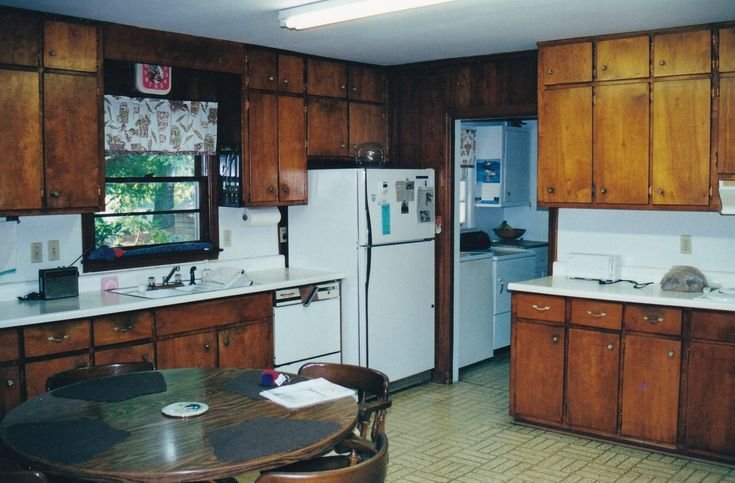
Many probate properties have been in the same family for decades and reflect years of deferred maintenance, outdated fixtures, or wear that accumulated during a long illness. Deciding how much, if anything, to invest in repairs or updates before listing is critical.
As a general rule, minor improvements with strong visual impact and a high return on investment are worth considering: fresh paint, clean carpets, landscaping cleanup, and general deep cleaning. These low-cost changes meaningfully improve buyer perception without requiring significant capital expenditure.
Major renovations, however, are rarely advisable for probate properties. They require capital from the estate, take time the estate may not have, and often don’t yield the full return in a sale. For most steps in an Indiana probate house sale, selling the home as-is, priced accurately to reflect its condition, is the most efficient and financially sound approach.
Step 7: List the Property and Market It Effectively
Once the estate is open, the executor is appointed, and the home appraisal is in hand, it’s time to go to market. Your real estate agent should develop a marketing plan that reaches both traditional buyers and investors, since probate properties are often attractive to value-seeking buyers who are comfortable purchasing homes as-is.
Professional photography is non-negotiable, even for properties in lesser condition. Good photos drive online traffic, and the majority of Indiana buyers begin their home search digitally. A property that looks neglected online will attract fewer showings regardless of its price point.
Disclosures are particularly important in a probate real estate sale in Indiana. The estate is generally required to disclose known material defects, but the executor is not expected to have the same depth of knowledge as a long-term owner. Working with your attorney to ensure all disclosures are properly handled protects the estate from post-sale liability.
Step 8: Review Offers and Seek Court Approval
When offers come in, the executor reviews them with the real estate agent and the probate attorney before accepting one. In a supervised administration, the accepted offer must then be presented to the court for approval, which is a step that adds time but ensures the sale serves the best interests of all heirs and creditors.
Indiana courts will generally approve a sale that reflects fair market value and is structured in the estate’s best interest. If the court has concerns about the offer price or terms, it may require additional evidence such as the appraisal report or proof of marketing efforts before granting approval.
In some Indiana counties, the court may require a confirmation hearing, during which interested parties can object to or even outbid the accepted offer. This is more common in supervised probate sales and is another reason why having an experienced probate attorney and real estate agent guiding you through the Indiana probate real estate guide is so important.
Step 9: Navigate the Closing Process
Once court approval is granted or deemed unnecessary in an unsupervised estate, the closing process proceeds as in a standard real estate transaction. A title company or closing attorney will coordinate the transfer of the deed, the payoff of any outstanding mortgage or liens, and the collection and disbursement of sale proceeds.
The title company will conduct a thorough title search to ensure there are no unresolved encumbrances on the property. Any issues discovered, such as unpaid taxes, old liens, and judgment creditors, must be resolved before the title can be transferred cleanly to the buyer.
Closing costs, agent commissions, and any remaining estate administration expenses are deducted from the sale proceeds before distribution to heirs. Maintaining clear, organized records of all estate-related expenses from the beginning makes the final accounting at closing significantly easier for everyone involved.
Step 10: Distribute Proceeds to Heirs
After closing, the net proceeds from the sale flow into the estate account, where they are first used to satisfy any remaining valid creditor claims, outstanding debts, and administrative costs. What remains after all obligations are met is then distributed to the heirs or beneficiaries.
Distribution must follow the instructions laid out in the will or, in the absence of a will, Indiana’s intestate succession laws. These laws establish a specific order of priority for who receives what based on their relationship to the deceased.
The executor is legally obligated to distribute proceeds fairly, accurately, and in accordance with Indiana law. Once all distributions are made and properly documented, the executor files a final account with the court, and the estate is formally closed, bringing the entire probate property process in Indiana to its conclusion.
Working with Multiple Heirs: Managing Family Dynamics
One of the most common complications when selling a house in probate in Indiana is managing disagreements among multiple heirs. When siblings or other family members inherit jointly and have different opinions about timing, pricing, or whether to sell at all, the process can slow dramatically.
Open, early communication among all heirs is essential. Establishing a single point of contact, usually the executor, for all real estate decisions prevents confusion, reduces conflict, and ensures the process moves forward efficiently.
If heirs cannot reach an agreement and the impasse threatens the estate’s financial position, Indiana courts can intervene through a partition action, compelling the sale of the property and the distribution of the proceeds. It’s a last resort, but it exists precisely to prevent one person’s obstruction from harming all other beneficiaries.

Selling Probate Property Fast: Cash Buyer Options
For estates that need to be resolved quickly due to mounting carrying costs, outstanding mortgage obligations, or pressing distributions to heirs, selling to a cash buyer is a highly effective strategy for selling inherited houses in Indiana that families use to accelerate the timeline.
Cash buyers purchase probate properties as-is, without financing contingencies, lengthy inspection negotiations, or the extended timelines of traditional buyer transactions. In many cases, they can close within two to three weeks of an accepted offer, subject to any required court approvals.
While cash offers are typically below full retail market value, the savings on repairs, months of carrying costs, real estate commissions, and the value of certainty make the net result competitive for many estates. Always verify proof of funds, review contracts with your probate attorney, and obtain multiple competing offers before committing.
Common Mistakes to Avoid in an Indiana Probate Sale
The most costly mistake in a probate home sale that Indiana families make is attempting to sell the property before the executor is formally appointed and Letters Testamentary are issued. Any contract signed without legal authority can be challenged and voided, causing significant delays and potential liability.
Failing to notify all known heirs at each stage of the process is another serious error. Indiana law requires that heirs be kept informed, and skipping this step can result in legal challenges after the sale that tie up proceeds and create expensive litigation.
Finally, working without a probate attorney or with a general practice attorney who lacks specific estate and real estate experience is a risk not worth taking. Indiana probate real estate guide professionals universally agree: the right legal counsel from day one is the single most effective investment you can make in a smooth, efficient, conflict-free probate sale.
Final Thoughts: Clarity, Patience, and the Right Team
The probate house sale process in Indiana is neither fast nor simple. But it is navigable, and with the right team of professionals, the right preparation, and a clear understanding of each step, it is absolutely achievable without unnecessary stress or financial loss.
Whether your goal is to honor your loved one’s wishes, provide for your family, or simply bring closure to a difficult chapter, selling a probate property in Indiana is a process with a clear beginning, middle, and end.
Take it one step at a time. Hire experienced professionals. Communicate openly with your co-heirs. And trust that every step you complete brings you closer to resolution and to the next chapter of your own story.