
If you’re trying to sell a house with a bad roof in Indiana, homeowners often assume the process will be complicated, expensive, or even impossible.
The good news is that a damaged roof does not have to stop a sale. It simply changes the strategy you should use.
This guide walks through your realistic options, how to price a home with roof damage, and how to find the right buyer for your specific situation.
Why a Bad Roof Complicates a Traditional Sale
A damaged roof creates real challenges in a conventional home sale. Most traditional buyers rely on mortgage financing, and lenders often require an inspection before approving a loan.
If that inspection reveals significant roof damage, the lender may deny financing altogether. This can cause a deal to collapse even after an offer has been accepted.
Selling a house with roof damage through traditional channels often means either repairing the roof first or negotiating a lower price with a buyer willing to take on the repair themselves. Both options come with trade-offs worth understanding.
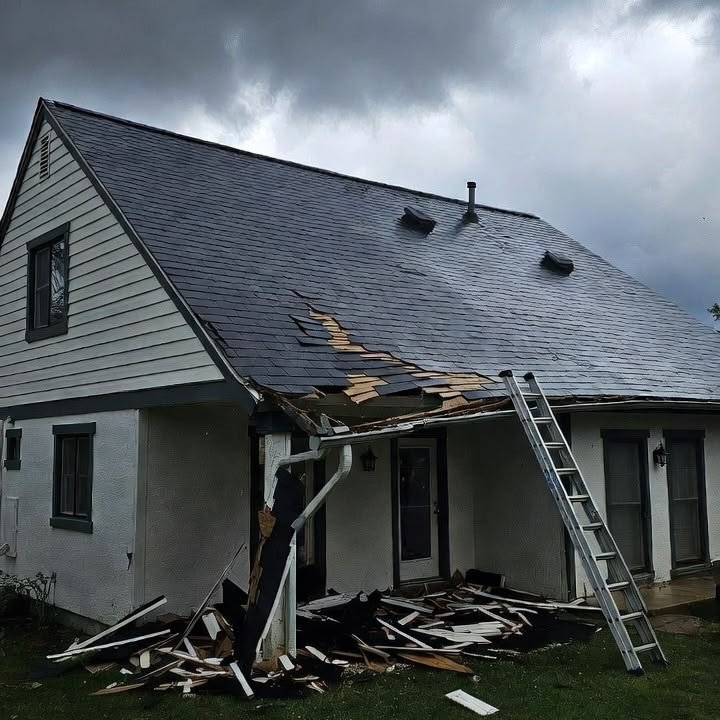
Understanding the Extent of the Damage
Before deciding how to sell, it helps to understand exactly what kind of roof damage you’re dealing with. Not all roof problems are equally serious.
Minor issues might include a few missing shingles, small leaks, or cosmetic wear. These problems are often affordable to repair and may not scare off traditional buyers.
Moderate issues could involve larger leaks, sagging areas, or aging materials nearing the end of their lifespan. These issues typically require a larger investment to fix.
Severe issues include structural damage, extensive water intrusion, or a roof that has reached full failure. These problems often make traditional financing very difficult to secure.
Getting a professional roof inspection early in the process gives you clarity. It also helps you set realistic expectations for pricing and buyer interest.
A written inspection report can also serve as a useful negotiating tool later. Having documented proof of the roof’s actual condition, rather than relying on a buyer’s assumptions, can help you avoid unnecessary price reductions during negotiations.
Option 1: Repair the Roof Before Listing
One option is to repair the roof before putting your home on the market. This approach can open the door to more buyers, including those using traditional mortgage financing.
A new or repaired roof can also increase your home’s appraised value. In some cases, this increase can offset a significant portion of the repair cost.
However, roof repairs and replacements can be expensive. Costs vary widely depending on materials, roof size, and the extent of damage.
This option makes the most sense if you have the funds available and are not in a rush to sell. It also works well if your local market strongly favors move-in-ready homes.
Option 2: Sell As-Is at a Reduced Price
Another option is to sell your home as is, factoring the roof damage into your asking price. Many buyers, including some traditional buyers, are willing to purchase homes needing repairs if the price reflects that condition.
This approach requires transparency. Disclosing the roof’s condition upfront helps avoid legal issues and builds trust with potential buyers.
Pricing accurately is essential here. An appraiser or real estate agent familiar with Indiana local home buyers‘ bad roof situations can help you land on a fair, competitive price.
This option often results in a faster sale than a full repair strategy. However, you should expect a lower final sale price to compensate buyers for the needed repairs.
Option 3: Sell to a Cash Buyer
For many homeowners, selling to a cash buyer is the most practical solution. Cash buyers for houses with roof problems typically purchase homes in their current condition, without requiring repairs or renovations first.
This eliminates the financing hurdles that often derail traditional sales involving roof damage. Cash buyers usually have their own funds available and do not depend on mortgage approval.
The process is typically much faster than a traditional sale. Many cash sales close within one to two weeks, compared to sixty days or longer for financed sales.
This option works especially well for homeowners facing time constraints, financial hardship, or a roof in such poor condition that repairs feel unrealistic.
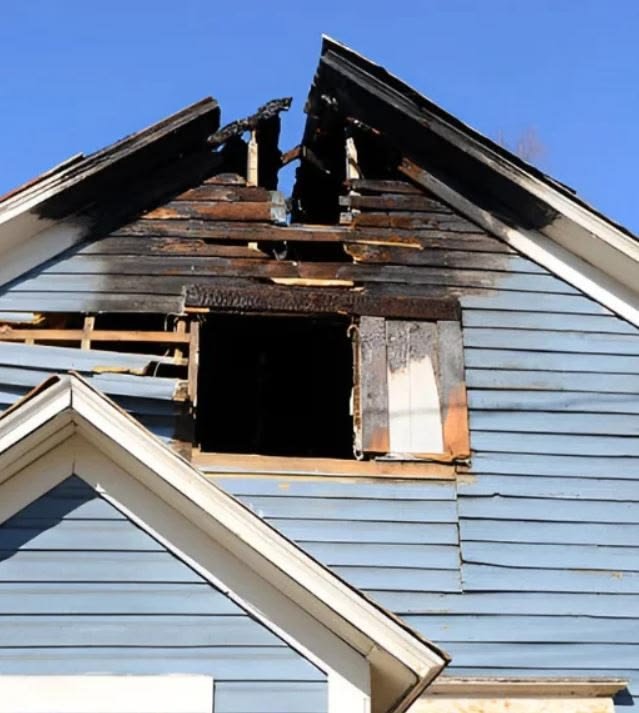
How the Cash Sale Process Works
Understanding the cash sale process can help you decide if it’s the right fit for your situation. Here’s what it typically looks like.
Step 1: Reach Out to a Cash Buyer
Contact a reputable cash home buying company, either online or by phone. Many offer free, no-obligation consultations.
Step 2: Property Evaluation
The buyer will evaluate your home’s condition, including the roof damage. This may involve a quick walkthrough or photos rather than a full formal inspection.
Step 3: Receive a Cash Offer
Within a day or two, you’ll typically receive a straightforward cash offer. This offer reflects your home’s current condition, including necessary roof repairs.
Step 4: Close on Your Timeline
If you accept the offer, closing can often happen within one to two weeks. Funds are usually transferred through a local title company.
Pricing Considerations for a Home with Roof Damage
Pricing a home with a damaged roof requires careful thought. Buyers, especially cash buyers, will factor repair costs directly into their offer.
It helps to get a repair estimate from a roofing professional before listing or requesting offers. This gives you a clearer picture of what buyers are likely considering.
Comparing your home to similar as-is sales in your area can also help. Selling a house with roof damage at a fair, informed price leads to smoother negotiations and fewer surprises.
Keep in mind that severe roof damage can sometimes affect more than just the roof itself. Water damage to ceilings, insulation, or even structural elements may factor into a buyer’s final offer.
It’s also worth remembering that pricing is often a negotiation, not a fixed number. Buyers may present an initial offer based on estimated repair costs, but there is usually room to discuss the details, especially if you can provide documentation of the roof’s actual condition.
Legal Disclosure Requirements in Indiana
Indiana law generally requires sellers to disclose known material defects, including significant roof issues. Failing to disclose known problems can lead to legal disputes after closing.
Being upfront about your roof’s condition protects you legally and builds buyer trust. This is true whether you’re selling traditionally or to a cash buyer.
Working with a real estate attorney or experienced agent can help ensure you meet all necessary disclosure requirements. This step is worth the time investment for peace of mind.

Who Benefits Most From Selling As-Is or to a Cash Buyer?
Certain situations make selling as-is or to a cash buyer especially practical. Consider these common scenarios.
#1. Homeowners who cannot afford roof repairs
#2. Sellers facing foreclosure or financial hardship
#3. Inherited properties in poor condition
#4. Landlords are tired of managing costly repairs.
#5. Homeowners are relocating quickly for work.
#6. Sellers want to avoid lengthy negotiations over repairs.
If any of these describe your situation, exploring a cash sale may save you significant time, stress, and money.
Tips for Choosing a Reputable Cash Buyer
Not all cash buyers operate with the same level of transparency. Take time to vet potential buyers before committing.
#1. Research online reviews and local reputation.
#2. Ask for proof of funds before accepting an offer.
#3. Request a clear, written purchase agreement.
#4. Confirm there are no hidden fees or last-minute price changes.
#5. Avoid buyers who pressure you into rushing your decision.
Taking these precautions helps ensure a smooth, trustworthy transaction from start to finish.
Final Thoughts
A damaged roof does not have to prevent you from selling your Indiana home. Whether you choose to repair it first, sell as is, or work with cash buyers for houses with roof problems, there is a path forward that fits your situation.
Understanding your options, pricing honestly, and disclosing known issues will help you navigate this process with confidence.
If your goal is a fast, hassle free sale, working with experienced Indiana home buyers bad roof conditions, won’t scare you away, can be one of the smartest paths to a successful sale.
FAQs on How to Sell a House with a Bad Roof in Indiana
#1. Can I sell a house with a bad roof in Indiana? Yes. You can sell as is, repair the roof first, or work with a cash buyer. Each option depends on your budget and timeline.
#2. Do I have to disclose roof damage when selling? Yes. Indiana law generally requires sellers to disclose known material defects, including significant roof problems.
#3. Will roof damage lower my home’s sale price? Often, yes. Buyers typically factor repair costs into their offer, so pricing should reflect the roof’s actual condition.
#4. How fast can I sell a house with roof damage for cash? Many cash sales close within one to two weeks. This is much faster than a traditional financed sale.
#5. Do cash buyers require a roof inspection before purchasing? Not usually. Most cash buyers evaluate the home’s overall condition without requiring a formal lender inspection.
#6. Is it better to repair the roof or sell as-is? It depends on your budget and timeline. Repairing can increase value, while selling as is offers a faster, simpler process.
7. Can a bad roof prevent traditional mortgage financing? Yes. Lenders may deny financing if an inspection reveals significant roof damage, which can cause a sale to fall through.