
Selling a home with structural damage in Northwest Indiana might feel overwhelming at first glance. Foundation issues, sagging floors, and roof structure issues can lead homeowners to assume their only option is expensive repairs.
The truth is, structural damage does not have to prevent a successful sale. It simply requires the right strategy, honest disclosure, and realistic expectations.
Understanding Structural Damage and Its Causes
Structural damage refers to issues affecting a home’s core stability and safety. This can include foundation cracks, sagging floors, roof structure problems, or compromised load-bearing walls.
Common causes throughout Northwest Indiana include soil movement, water intrusion, aging materials, or poor original construction. Older homes, especially in industrial cities, sometimes show wear from decades of settling.
Understanding the root cause of your home’s specific issue helps you communicate accurately with potential buyers. It also helps guide your decision between repairing and selling as-is.
Older neighborhoods throughout cities like Gary, Hammond, and East Chicago sometimes show more of these issues due to age. This makes structural damage a familiar, well-understood concern among experienced local buyers.
Why Structural Damage Concerns Buyers and Lenders
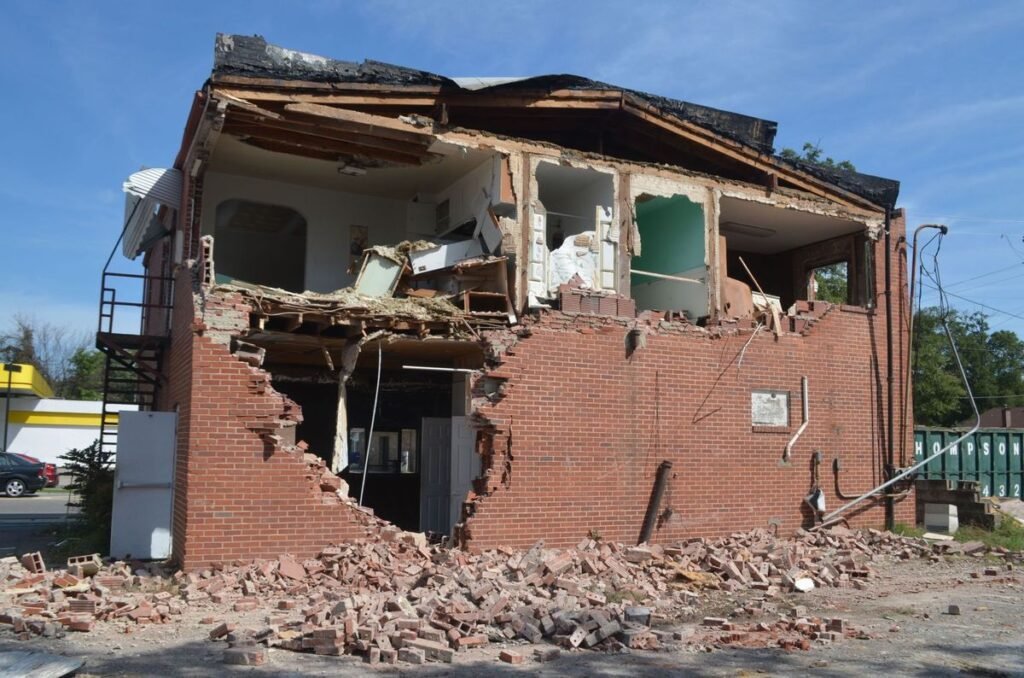
Structural issues raise legitimate safety and financial concerns for buyers. Unlike cosmetic problems, structural damage can affect a home’s long-term stability and value.
Lenders are often particularly cautious about structural damage in home sale Indiana situations. Many require repairs before approving financing, since structural integrity directly affects the property’s collateral value.
This means traditional buyers relying on mortgages may face significant hurdles. Understanding this reality helps you plan a more realistic selling strategy from the start.
How Structural Damage Is Typically Discovered
Structural issues often surface during a buyer’s home inspection. Inspectors look closely for foundation cracks, uneven floors, or signs of water damage affecting structural elements.
Sometimes sellers already know about existing issues from past inspections or visible symptoms like sticking doors or visible cracks. Other times, the extent of damage becomes clear only through professional evaluation during the sale process.
Either way, once damage is known, Indiana law generally requires disclosure. Being upfront about known issues protects both you and potential buyers throughout the transaction.
Keeping any prior inspection reports or repair estimates organized can make this process significantly smoother. Buyers appreciate clear documentation rather than vague verbal descriptions of the issue.
Your Options When Selling a Home with Structural Damage
Several realistic paths exist when selling a home with structural damage in Northwest Indiana. The right choice depends on your budget, timeline, and the severity of the damage.
Option 1: Repair the Damage Before Selling
One option is addressing structural issues before listing your home. This typically involves hiring a licensed structural engineer or contractor for proper assessment and repair.
This approach can open your home to more buyers, including those using traditional mortgage financing. It may also support a stronger final sale price once repairs are complete.
However, structural repairs can be expensive and time-consuming. Costs vary widely depending on the severity and type of damage involved.
Option 2: Disclose and Sell As-Is
Another practical option is selling your damaged home as-is, with full and honest disclosure. Many buyers, particularly investors, are comfortable purchasing homes with known structural issues.
This approach requires transparency about the specific damage and any related documentation you have available. Buyers can then factor this into their own decision-making process.
This path is often significantly faster than pursuing repairs first. It may, however, reduce your buyer pool to those comfortable handling structural issues themselves.
Option 3: Work with a Cash Buyer
A third option involves working with a cash buyer for damaged home Indiana sellers frequently choose. These buyers typically purchase homes exactly as they are, including structural issues.
This removes financing complications entirely, since cash buyers do not rely on traditional mortgage underwriting. It also often means a faster, far more predictable closing timeline.
For homeowners wanting to sell a damaged house fast in Indiana without repair costs or lengthy negotiations, this path frequently offers the least stress.
How the Cash Sale Process Works
Understanding this process helps you decide whether it fits your specific situation. Here is a general outline of what typically happens.
Step 1: Initial Contact
Reach out to a reputable cash buying company experienced with structural issues. Many offer free, no-obligation consultations to discuss your property.
Step 2: Property Evaluation
The buyer evaluates your home’s condition, including the extent of structural damage. This often involves a walkthrough or review of any existing inspection reports.
Step 3: Cash Offer
Within a day or two, you typically receive a straightforward cash offer. This reflects your home’s current condition, including known structural concerns.
Step 4: Closing
If you accept the offer, closing can often happen within one to two weeks. Funds usually transfer through a local title company for a smooth transaction.
Pricing Considerations for Homes with Structural Damage
Pricing a home with structural damage requires careful thought. Buyers, especially cash buyers, factor potential repair costs directly into their offers.
Getting a professional assessment before listing helps you understand realistic buyer expectations. This gives you a clearer, more accurate picture of your home’s current market position.
A home sale in Indiana that reflects the true cost of necessary repairs is typically fair to buyers. Overpricing despite known issues often leads to extended time on market.
Remember that pricing conversations are rarely fixed in stone. Sharing documentation, such as engineering reports, can sometimes support a stronger final offer.
It also helps to view pricing from the buyer’s perspective. A buyer weighing potential repair costs will often compare your asking price against similar homes without known structural concerns.
Legal Disclosure Requirements in Indiana
Indiana law generally requires sellers to disclose known material defects, including significant structural issues. This disclosure typically occurs through a standard seller’s disclosure form.
Failing to disclose known structural problems can lead to legal disputes after closing. Being upfront protects you legally and builds essential trust with any potential buyer.
Working with a real estate attorney familiar with these situations can help ensure you meet all necessary disclosure requirements accurately.

Marketing Your Home Honestly and Effectively
Effective marketing balances transparency with highlighting your home’s genuine remaining strengths. Buyers appreciate honesty, especially regarding safety-related concerns like structural damage.
Highlighting other positive features, such as location, lot size, or unique architectural details, helps maintain buyer interest despite known issues. Honesty consistently builds trust rather than deterring serious, motivated buyers.
Working with an agent experienced in these specific situations can help you strike the right balance throughout your marketing efforts.
Common Misconceptions About Selling Damaged Homes
Many sellers assume structural damage automatically makes a home unsellable. This simply is not true, especially given how common these issues remain throughout older housing stock.
Another misconception is that repairs are always required before selling. In reality, disclosure and fair pricing often satisfy buyer concerns without requiring mandatory repairs first.
Some sellers also worry buyers will completely avoid their home once damage is disclosed. In practice, many buyers, especially experienced investors, actively seek out these properties at fair prices.
Who Benefits Most From Selling As-Is or to a Cash Buyer?
Certain situations make selling as-is, or working with a cash buyer, especially practical. Consider whether any of these scenarios apply to your situation.
#1. Homeowners unable to afford extensive structural repairs
#2. Sellers facing time constraints or financial hardship
#3. Inherited properties with unclear structural history
#4. Landlords managing multiple aging rental properties
#5. Homeowners wanting to avoid lengthy repair negotiations
#6. Sellers prioritizing speed and certainty over maximum price
If any of these describe your situation, exploring a cash sale could genuinely simplify your process.
Tips for Moving Forward Successfully
A few practical steps can help you navigate this process smoothly. Consider these before listing or contacting potential buyers.
Gather any existing documentation about previous inspections, engineering assessments, or repair attempts. Even partial records help clarify your home’s history for buyers.
Consult a real estate attorney if you’re uncertain about disclosure requirements. This step provides valuable legal protection and genuine peace of mind.
Research reputable cash buyers with specific experience handling home sale situations involving structural damage in Indiana. Reviews and proof of funds help confirm their legitimacy.
Stay transparent throughout every conversation with potential buyers. Honesty consistently leads to smoother, faster, and more trustworthy transactions overall.
Final Thoughts
Selling a home with structural damage in Northwest Indiana does not have to be stressful or complicated. Understanding your options helps you choose the right path with genuine confidence.
Whether you pursue repairs, sell as-is, or work with a cash buyer, a solution exists for your specific situation. Honest disclosure and fair pricing remain essential throughout the entire process.
If your goal is a fast, low-stress sale, working with a trusted cash buyer for damaged home Indiana sellers rely on can help you move forward with real clarity.
Take time to weigh your budget, timeline, and comfort level with each available option. There is no single right answer, since every homeowner’s situation looks a little different.
Whatever path you choose, moving forward with honest documentation and realistic pricing will serve you well throughout the process.
Frequently Asked Questions
1. Can I sell a home with structural damage in Indiana?
Yes. You can repair the damage first, sell as-is, or work with a cash buyer, depending on your situation.
2. Do I have to disclose known structural issues when selling?
Yes. Indiana law generally requires disclosure of known material defects, including significant structural problems.
3. Will structural damage lower my home’s sale price?
Often, yes. Buyers typically factor repair costs into their offer, so pricing should reflect the damage honestly.
4. Are structural repairs required before selling?
No. Repairs are not legally required in most cases, as long as known issues are properly disclosed.
5. Do cash buyers avoid homes with structural problems?
Not usually. Many cash buyers specialize in these situations and factor repair costs directly into their offers.
6. How can I sell a damaged house fast in Indiana?
Cash sales often close within one to two weeks, significantly faster than a traditional financed sale.
7. Should I get an engineering assessment before listing my home?
Yes, if you’re uncertain about the extent of damage. This helps you set accurate, realistic buyer expectations.