
Selling a home with unpermitted work in Indiana can feel overwhelming at first. Many homeowners discover the issue only after a buyer’s inspector flags it. The good news is that unpermitted work rarely makes a home unsellable.
It simply requires the right strategy and honest communication. This guide walks through your options, legal considerations, and how to move forward with confidence.
What Counts as Unpermitted Work
Unpermitted work refers to any renovation or addition completed without required city or county approval. This often includes room additions, finished basements, or electrical and plumbing changes.
Even smaller projects like deck installations or water heater replacements sometimes require permits. Many homeowners are unaware that these steps were ever necessary.
Over time, unpermitted work can accumulate across multiple past owners. This makes the issue more common than most sellers expect.
Sellers are sometimes surprised to learn that a previous owner made these changes decades earlier. In many cases, the current homeowner had no direct involvement in the original decision.

Why Unpermitted Work Matters to Buyers
Buyers and lenders both care about unpermitted work for practical reasons. Permits confirm that work meets local safety and building codes.
Without permits, there is no official verification that the work was done correctly. This creates uncertainty around safety, insurance coverage, and future resale value.
Some lenders may hesitate to finance homes with known unpermitted additions. This is especially true if the work significantly changed the home’s square footage or structure.
Insurance companies also pay close attention to permit history. In some cases, damage related to unpermitted work may not be fully covered under a standard homeowner’s policy.
How Unpermitted Work Is Typically Discovered
Unpermitted work often surfaces during a home inspection. Inspectors may notice inconsistencies between the home’s layout and public property records.
Appraisers sometimes catch discrepancies, too. A finished basement not reflected in county records is a common example.
Buyers may also request permit history directly from the local building department. This step has become more common as buyers grow more cautious overall.
Your Options When Selling a Home with Unpermitted Work
Several paths exist when selling a home with unpermitted work in Indiana. The right choice depends on your budget, timeline, and comfort level with the process.
Option 1: Obtain Retroactive Permits
One option is to apply for permits after the work is completed. This process is sometimes called permit legalization.
This route often requires an inspection of the existing work. If it meets code, the permit may be approved without major changes.
If it does not meet code, you may need to make repairs first. This can involve real cost, depending on the scope of the original work.
Retroactive permitting takes time, sometimes several weeks or months. However, it can significantly ease buyer concerns and financing hurdles later.
This option tends to work best when the unpermitted work is relatively minor. Larger structural changes may require more extensive review, which can add both time and cost to the process.
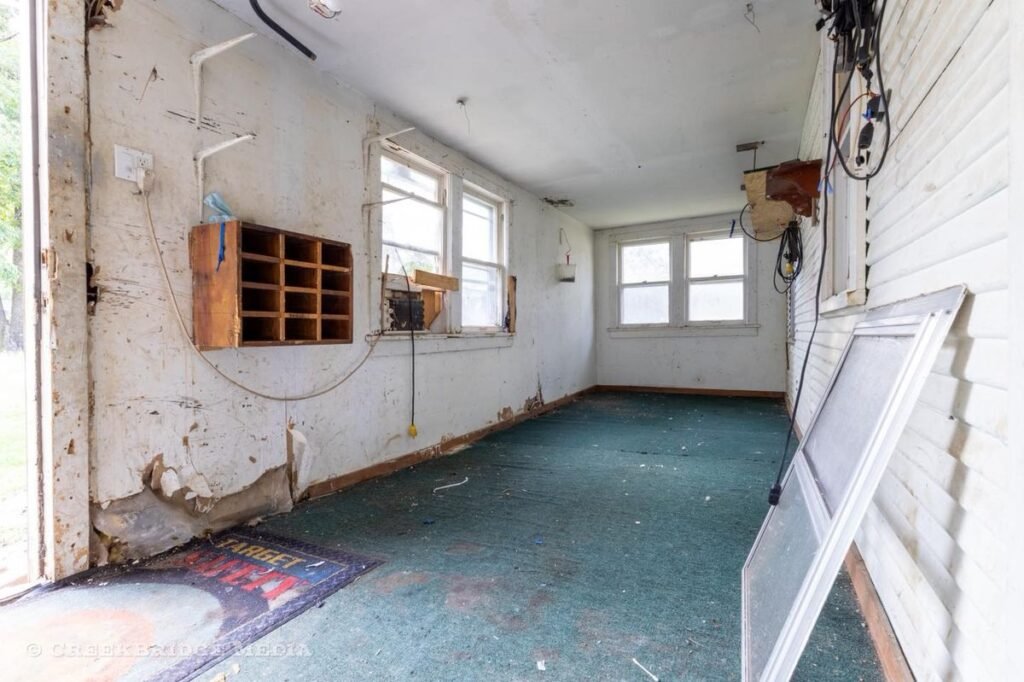
Option 2: Disclose and Sell As-Is
Another option is full disclosure without pursuing permits. Many sellers choose to sell a house as-is, as Indiana buyers are already comfortable purchasing.
This approach requires clear, honest communication about what work was completed. Buyers can then decide how to proceed with full information.
This path is often faster than retroactive permitting. However, it may reduce your buyer pool to those who are comfortable handling the issue themselves.
Option 3: Sell to a Cash Buyer
A third option is working with cash home buyers, Indiana investors who specialize in these situations. Many cash buyers purchase homes regardless of permit history.
This removes financing complications entirely, since cash buyers do not rely on mortgage approval. It also often means a faster, more predictable closing timeline.
For homeowners who want to avoid permit applications and lengthy negotiations, this path often offers the least stress.
Legal Disclosure Requirements in Indiana
Indiana law generally requires sellers to disclose known material defects. Unpermitted work that affects safety or structure often falls into this category.
Failing to disclose known unpermitted work can lead to legal disputes after closing. Being upfront protects you and builds trust with any buyer.
A seller’s disclosure form typically includes specific questions about additions, renovations, and permit history. Answering these accurately is essential, regardless of which selling path you choose.
How Unpermitted Work Affects Home Value
Unpermitted work can impact your home’s appraised value in different ways. Appraisers may exclude unpermitted square footage entirely from their calculations.
This means a finished basement or added room might not count toward your home’s official size. This can lower your home’s appraised value compared to what you might expect.
Buyers, especially cash buyers, often factor this uncertainty into their offers. Understanding this ahead of time helps you set realistic pricing expectations.
Pricing Strategy for Homes with Unpermitted Work
Pricing a home with unpermitted work requires careful thought. Start by researching comparable as-is sales in your area.
Getting an estimate for potential permit costs also helps. This gives you a clearer picture of what buyers might be considering in their offers.
Selling a home with unpermitted work in Indiana at a fair, transparent price often leads to smoother negotiations. Overpricing can lead to extended time on market and difficult buyer conversations.
Remember that pricing is often flexible, not fixed. Buyers may adjust their offer based on the documentation you provide about the work in question.
It also helps to think about pricing from the buyer’s perspective. A buyer weighing potential permit costs will often compare your asking price against homes without similar issues nearby.

Sell House with Unpermitted Renovations: Indiana Buyers Understand
Many local home buyers, especially investors, have experience with these situations. Choosing to sell a house with unpermitted renovations in Indiana can simplify your entire process.
These buyers typically understand local permit requirements well. They often factor potential legalization costs directly into their offer rather than asking you to handle it first.
This can save you significant time compared to navigating permit applications yourself. It also removes the uncertainty of waiting on city or county approval timelines.
The Cash Sale Process for These Situations
Understanding the cash sale process helps you decide if it fits your needs. Here is what it typically looks like from start to finish.
Step 1: Initial Contact
Reach out to a reputable cash buying company familiar with permit issues. Many offer free, no-obligation consultations.
Step 2: Property and Permit Review
The buyer reviews your home’s condition along with the available permit history. This may include public record searches alongside a property walkthrough.
Step 3: Cash Offer
Within a day or two, you typically receive a straightforward offer. This reflects your home’s condition, including any unpermitted work.
Step 4: Closing
If you accept, closing can often happen within one to two weeks. Funds usually transfer through a local title company.
Who Benefits Most From These Options?
Certain situations make selling as-is or to a cash buyer especially practical. Consider these common scenarios carefully.
#1. Homeowners are unaware of unpermitted work until listing.
#2. Sellers unable to afford retroactive permit costs
#3. Inherited properties with unclear renovation history
#4. Landlords are managing several unpermitted additions.
#5. Homeowners needing a fast, predictable closing timeline
#6. Sellers want to avoid lengthy city permit processes.
If any of these describe your situation, exploring a cash sale could save real time and stress.
Even homeowners without urgent pressure sometimes prefer this route. Certainty around price and timeline carries real value, especially when permit uncertainty looms over a traditional sale.
Tips for Moving Forward Successfully
A few practical steps can help you navigate this process smoothly. Consider these before listing or contacting buyers.
Gather any available documentation about the work in question. Even partial records or contractor receipts can help clarify the situation.
Consult a real estate attorney if you’re uncertain about disclosure requirements. This step offers peace of mind and legal protection.
Research reputable cash home buyers in Indiana before choosing one to work with. Reviews and proof of funds help confirm legitimacy.
Stay transparent throughout every conversation with potential buyers. Honesty consistently leads to smoother, faster transactions overall.
Final Thoughts
Selling a home with unpermitted work in Indiana does not have to be stressful or complicated. Understanding your options helps you choose the right path with confidence.
Whether you pursue retroactive permits, sell a house as-is Indiana style, or work with cash buyers, a solution exists for your situation. Honest disclosure and fair pricing remain essential throughout the process.
If your goal is a fast, low-stress sale, cash home buyers Indiana sellers trust can offer real clarity and peace of mind.
Take time to weigh your budget, timeline, and comfort level with each option. There is no single right answer, since every homeowner’s situation looks a little different.
Whatever path you choose, moving forward with accurate information and honest disclosure will serve you well throughout the process.
Frequently Asked Questions
1. Can I sell a home with unpermitted work in Indiana? Yes. You can pursue retroactive permits, sell as is, or work with a cash buyer. Each option depends on your budget and timeline.
2. Do I have to disclose unpermitted work when selling? Yes. Indiana law generally requires disclosure of known material defects, including unpermitted renovations affecting safety or structure.
3. Will unpermitted work lower my home’s value? Often, yes. home Appraisers may exclude unpermitted square footage, which can reduce your home’s official appraised value.
4. How long does retroactive permitting take? It varies widely by project and location. Expect anywhere from several weeks to a few months for approval.
5. Do cash buyers care about unpermitted work? Many cash buyers are experienced with these situations. They typically factor potential costs directly into their offer.
6. Can unpermitted work affect mortgage financing for buyers? Yes. Some lenders hesitate to finance homes with significant unpermitted additions, which can complicate traditional sales.
7. Is selling as-is faster than getting permits first? Generally, yes. Selling as-is avoids the wait time associated with permit applications and city approval processes.