
An empty house with no power, water, or gas running can feel like an entirely different kind of selling challenge.
If you are dealing with selling a house with utilities shut off in Indiana, you already know that inspections, showings, and even basic maintenance become much harder without functioning systems.
Fortunately, this situation is more common than most homeowners realize, and there are clear paths forward.
This guide covers why utilities shut off in Indiana properties create unique obstacles during a sale, what buyers typically expect in these situations, and how selling a house as-is Indiana homeowners choose can simplify a process that might otherwise feel impossible.
Why Utilities Get Shut Off in the First Place
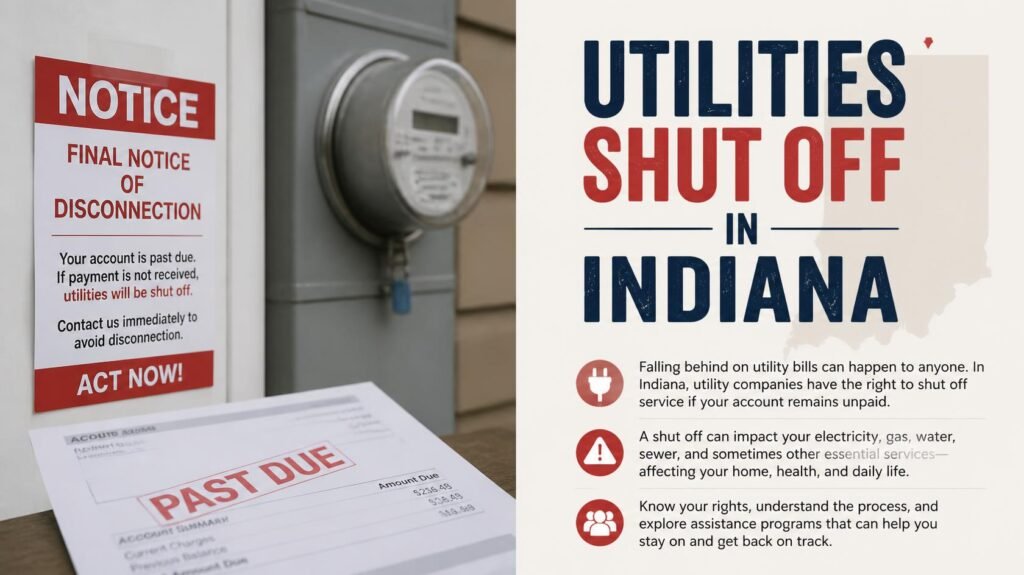
Homes end up with utilities shut off for a variety of reasons, many of which are completely understandable given difficult life circumstances.
Financial hardship is one of the most common causes, especially when homeowners fall behind on payments, and providers disconnect service as a result.
Inherited properties frequently sit with utilities disconnected simply because no one has been living there to maintain active accounts.
When a homeowner passes away or moves into long-term care, utility companies often shut off service once accounts go unpaid or unused for an extended period.
Vacant properties awaiting sale sometimes have utilities intentionally shut off to reduce ongoing costs while the home sits empty.
This is a practical decision for many sellers, though it can create complications once real buyers start showing interest.
In some cases, utilities are shut off due to safety concerns, such as damaged wiring or a compromised gas line that a utility company disconnected as a precaution until repairs are completed.
How Utility Shut Offs Complicate a Traditional Sale
Trying to sell a property with utilities shut off in Indiana introduces several practical challenges that homeowners with active service typically do not face.
Home inspectors generally need functioning electricity, water, and sometimes gas to properly test systems like HVAC units, plumbing fixtures, and electrical outlets.
Without active utilities, an inspector may only be able to perform a limited visual inspection, which leaves both buyer and seller with less certainty about the home’s true condition.
This uncertainty often makes traditional buyers, especially those using mortgage financing, considerably more cautious.
Appraisers may also face difficulty fully evaluating a property without power or water, since certain systems cannot be tested or verified without active service.
Some appraisers may even decline to complete a full appraisal until utilities are restored, adding delays to an already lengthy process.
Buyers touring a home without power can also find the experience unsettling, since dark rooms, nonfunctioning appliances, and an overall sense of neglect can make it harder to picture themselves living there, even if the underlying structure is perfectly sound.
Understanding Utility Reconnection Options
For sellers who want to explore a traditional listing, restoring utilities temporarily is sometimes worth considering, since it allows for standard inspections, appraisals, and more appealing showings.
Reconnecting electricity and water typically involves contacting the relevant utility providers, paying any outstanding balances or reconnection fees, and scheduling service restoration.
Depending on the provider and your local area, this process can take anywhere from a few days to a couple of weeks.
However, restoring utilities comes with ongoing costs for as long as the home remains on the market, which can add up quickly for a vacant property that may sit unsold for months.
This is a significant consideration for homeowners who are already dealing with financial strain.
For some properties, especially those with more serious underlying issues like damaged wiring or plumbing, reconnecting utilities might not even be possible until repairs are completed, adding yet another layer of cost and delay to the traditional selling process.
Why Selling As-Is Makes Sense in These Situations
Given these challenges, many homeowners choose to sell a house as-is, which Indiana investors and cash buyers are prepared to handle, rather than investing in utility reconnection and repairs before finding a buyer.
An as-is sale means the buyer purchases the property in its current condition, including the fact that utilities may be shut off, without requiring the seller to restore service, complete repairs, or stage the home for showings.
This removes a significant financial and logistical burden from the seller.
Cash buyers experienced with vacant and utility disconnected properties typically conduct their own limited assessment methods, such as visual inspections or working with contractors who specialize in evaluating homes without active utilities.
This allows the transaction to move forward without requiring service restoration first.
This approach is especially valuable for sellers dealing with inherited properties, financial hardship, or a desire to avoid ongoing utility costs on a vacant home that is not generating any benefit while sitting empty.

Selling a Vacant House in Indiana
Many properties with utilities shut off are also vacant, which introduces its own set of considerations beyond the utility situation itself.
If you need to sell vacant house Indiana properties efficiently, understanding how vacancy affects the process can help you plan accordingly.
Vacant homes are more vulnerable to vandalism, weather-related damage, and pest issues the longer they sit unattended.
This makes a faster sale timeline particularly valuable, since prolonged vacancy can lead to additional deterioration that further complicates a future sale.
Insurance considerations also come into play with vacant properties, since many standard homeowner policies have limitations or exclusions for extended vacancy periods.
This can leave a seller more financially exposed if damage occurs while the home sits empty and unsold.
Cash buyers experienced with vacant properties understand these unique risks and can often move quickly to reduce the amount of time a home remains unoccupied and exposed to potential issues.
The Process of Selling With Utilities Shut Off in Indiana
The general process for selling a house with utilities shut off in Indiana to a cash buyer follows a straightforward path designed to accommodate the property’s current condition.
Initial Contact and Disclosure
The process begins with reaching out to a buyer and disclosing that utilities are currently shut off, along with any known reasons and the general condition of the property.
Property Assessment
An experienced buyer will typically arrange a visual assessment of the property, sometimes using flashlights or portable equipment to evaluate the home despite the lack of active power or water service.
Cash Offer Presentation
Based on the property’s overall condition and any anticipated costs related to utility reconnection or repairs, the buyer presents a fair cash offer reflecting the home’s true a- is value.
Title and Closing Coordination
The buyer works with a title company to ensure a clean and efficient closing process, regardless of the property’s current utility status.
Closing and Payment
Once the offer is accepted and necessary paperwork is completed, the sale closes, and you receive payment, transferring responsibility for utility restoration and any repairs to the new owner.
Common Mistakes to Avoid When Selling a House with Utilities Shut Off in Indiana
Homeowners dealing with utility shutoffs sometimes make decisions that unintentionally complicate their selling situation, so it helps to be aware of common pitfalls.
Assuming a home cannot be sold at all without active utilities is a common misconception that leads some sellers to delay unnecessarily while continuing to accumulate holding costs on an empty property.
Failing to disclose the utility situation upfront to potential buyers can create complications later, even in an as-is transaction, since transparency remains important throughout any legitimate sale.
Letting a vacant property sit for an extended period without addressing basic maintenance, such as checking for leaks or securing entry points, can allow minor issues to develop into much larger problems over time.

Why Choose WeBuy219 for a Utility Shut-Off Property
WeBuy219 has experience helping homeowners throughout Northwest Indiana navigate the sale of vacant and utility-disconnected properties.
We understand the unique challenges these situations present and approach every transaction with honesty and genuine local expertise.
Rather than requiring utility restoration or repairs before considering a purchase, we evaluate each property individually and present a fair cash offer based on its true current condition.
This allows homeowners to move forward without taking on additional costs or delays.
We understand that dealing with a vacant home lacking basic utilities adds stress to an already difficult situation, whether it stems from inheritance, financial hardship, or simply moving on from a property you no longer need.
Our goal is to provide a clear, respectful path forward.
Frequently Asked Questions on Selling a House with Utilities Shut Off in Indiana
Can I sell my house if the utilities are currently shut off?
Yes, you can sell a house with utilities shut off, and many cash buyers are specifically experienced in purchasing these types of properties as-is.
Do I need to restore utilities before selling?
Not necessarily, especially if you are selling to a cash buyer who can assess the property without active service and purchase it in its current condition.
Will a traditional buyer purchase a home without utilities?
Traditional buyers using mortgage financing often face challenges since inspections and appraisals typically require functioning utilities to fully evaluate the property.
How does a cash buyer assess a home without power or water?
Cash buyers typically conduct visual assessments using portable equipment or work with contractors experienced in evaluating properties without active utilities.
Is it more cost-effective to reconnect utilities before selling?
This depends on your situation, since reconnection costs and ongoing service fees can add up, especially if the home sits on the market for an extended period.
Do I have to disclose that utilities are shut off?
Yes, disclosing the current utility status is an important part of a transparent and legally sound transaction, regardless of how you choose to sell.
How quickly can I sell a vacant house with utilities off?
Cash sales can often close within one to two weeks, significantly faster than a traditional sale that may require utility restoration first.
How do I get started with WeBuy219?
Reach out through our website or by phone to discuss your property’s situation. We will review the details and provide a no-obligation cash offer.
Moving Forward With Confidence
Having utilities shut off does not mean your home is impossible to sell. Whether the situation stems from financial hardship, an inherited property, or simply reducing costs on a vacant home, there are practical paths toward a successful sale.
If you are ready to explore selling a house with utilities shut off in Indiana, WeBuy219 is here to help.
Contact us today to discuss your situation and receive a no-obligation cash offer, so you can move forward without the burden of restoring service or completing repairs first.